
Category: Military History
Xenophon’s Anabasis – The March Up Country – Translated by W.H.D. Rouse (1959) [Unknown Artist]

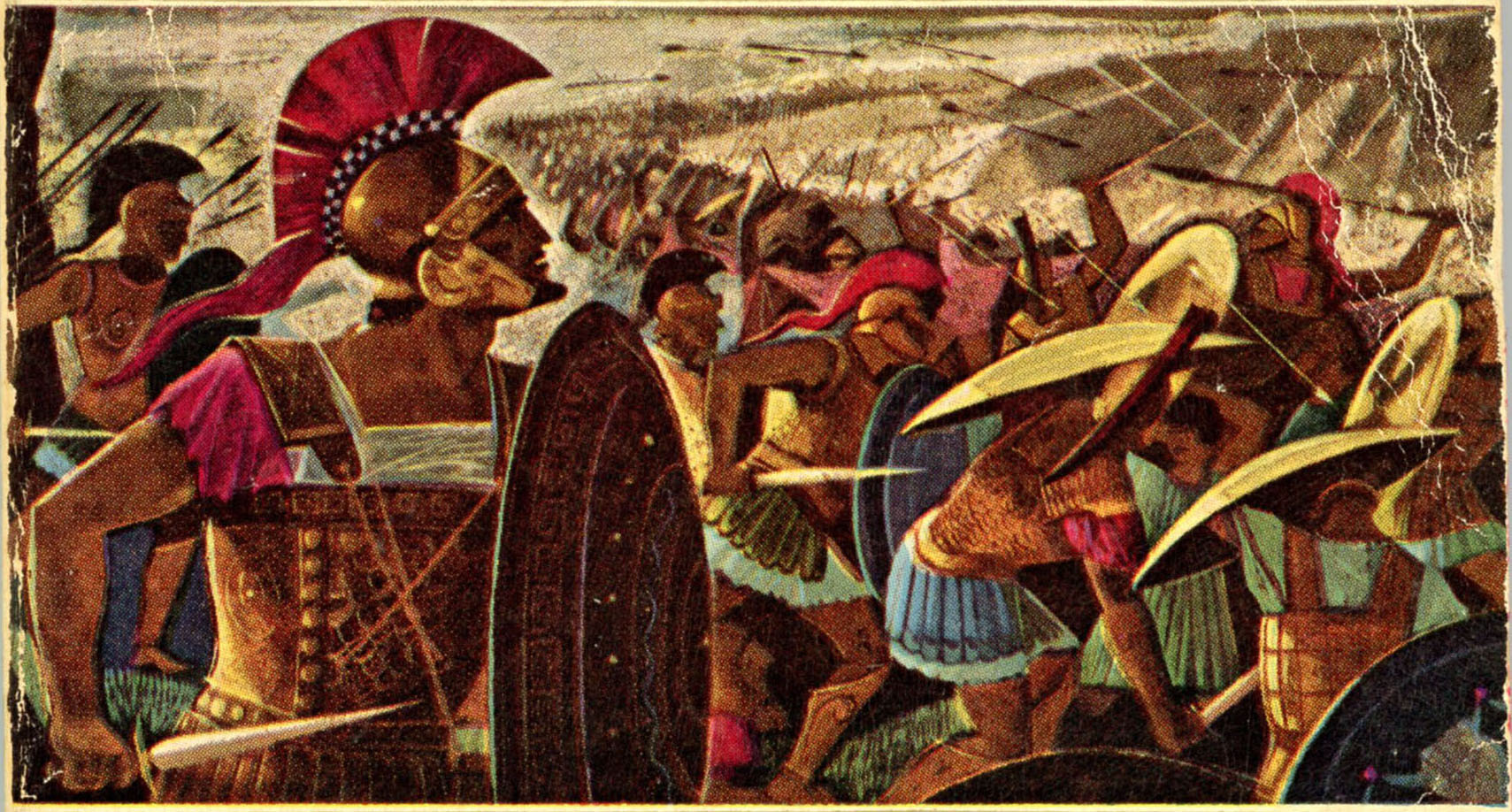
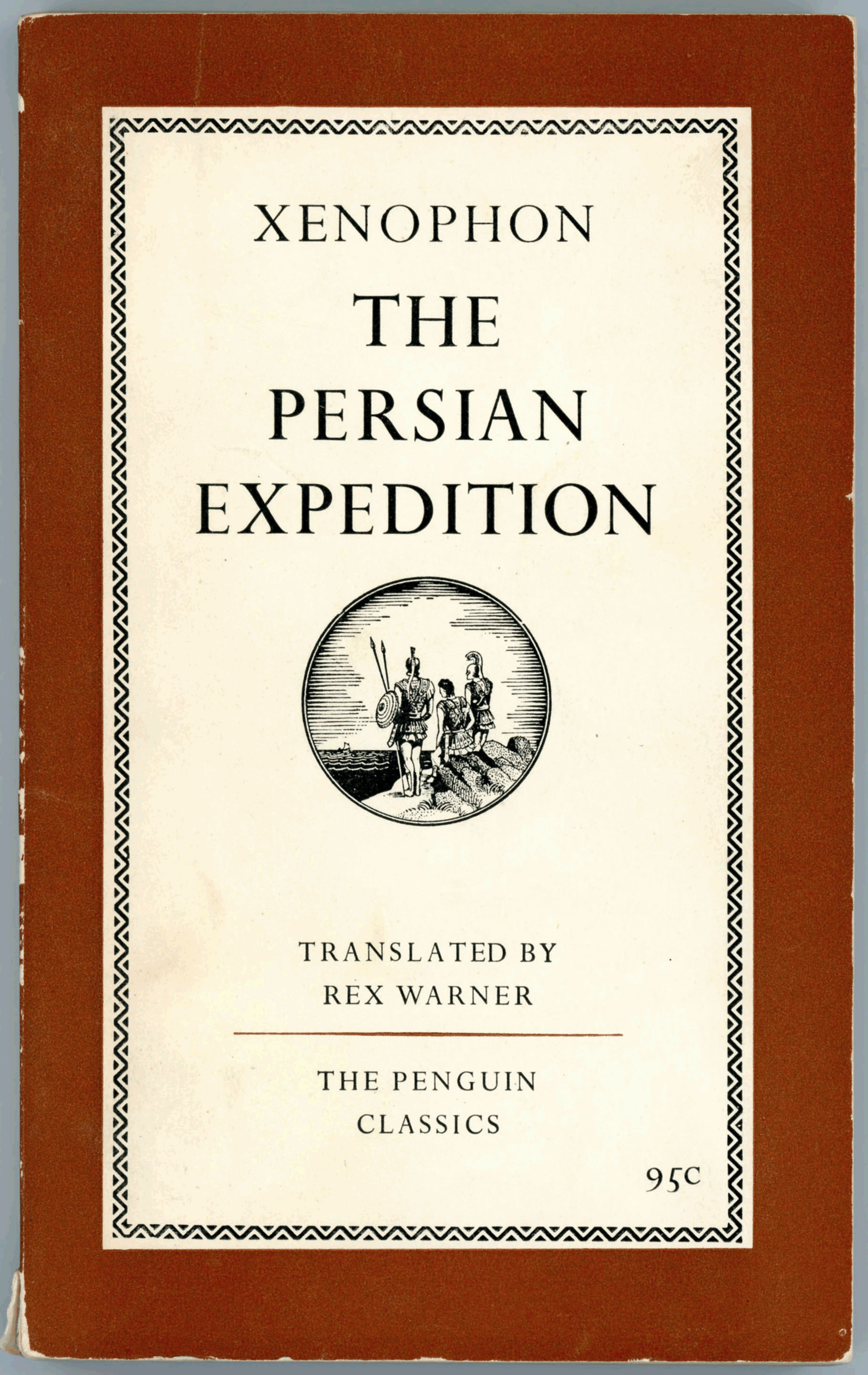
The Persian Expedition, by Xenophon – (Translated by Rex Warner) 1949
Education Before Verdun, by Arnold Zweig (1936)


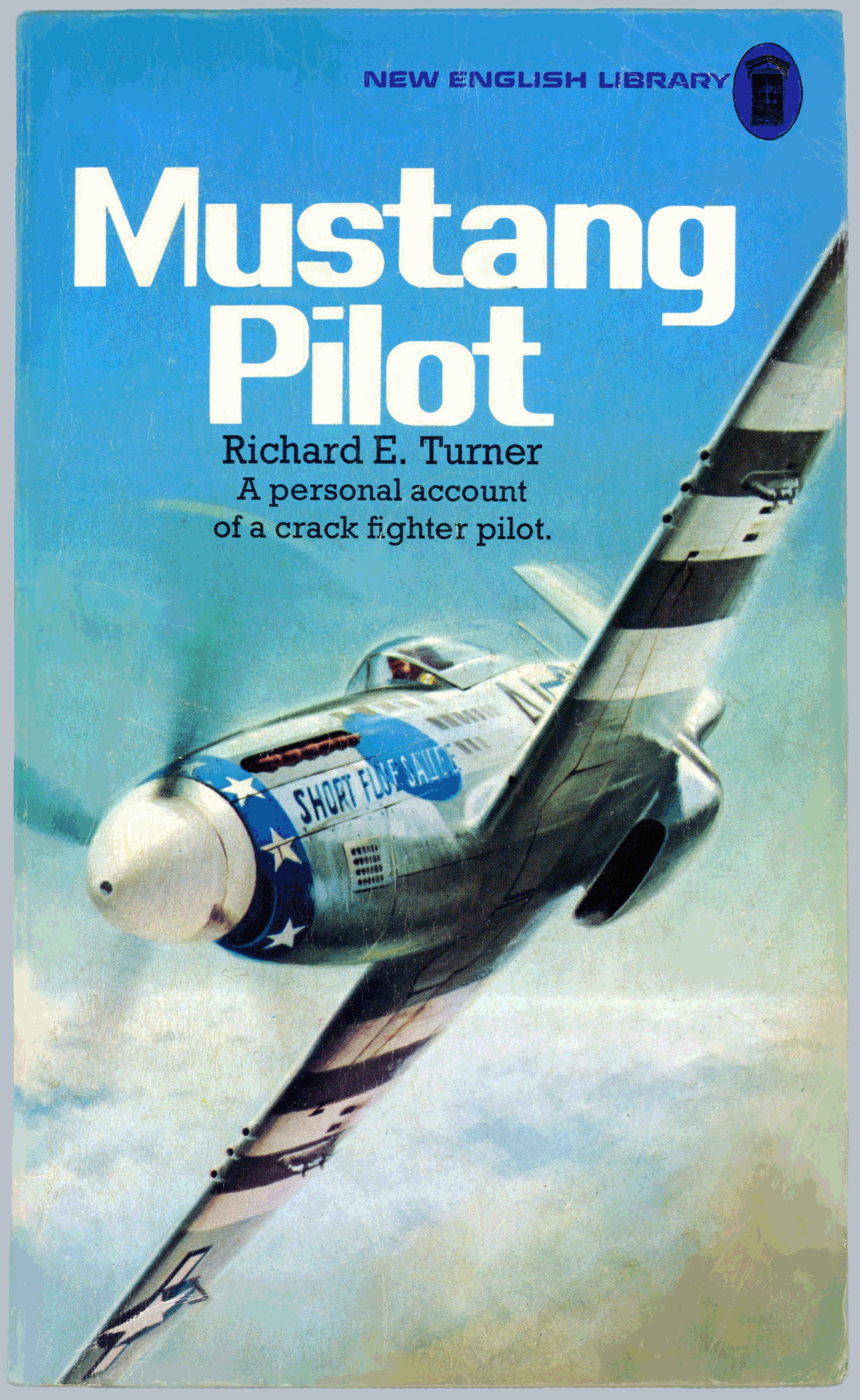
Mustang Pilot, by Richard E. Turner – 1969 (1975) [Unknown Artist]
 He stated in no uncertain terms that we never,
repeat NEVER,
turn away from head-on attack before the enemy!
A period of pregnant silence followed his last sentence.
Finally a young pilot in the front row hesitantly asked what would happen
if the German pilot turned out to be as bullheaded as we were?
A flicker of smile creased Blakeslee’s face as he replied,
fixing his grey eyes on the uncomfortable young man,
‘In that case, son, you have earned your extra flight pay the hard way!’
This broke up the briefing in more ways than one,
and after being dismissed we all headed for our fighters to prepare for take-off,
laughing in spite of our anxiety.

United States Submarine Operations in World War II, by Theodore Roscoe – 1949 [Lt. Cdr. Fred Freeman] – II
 (p. vi)
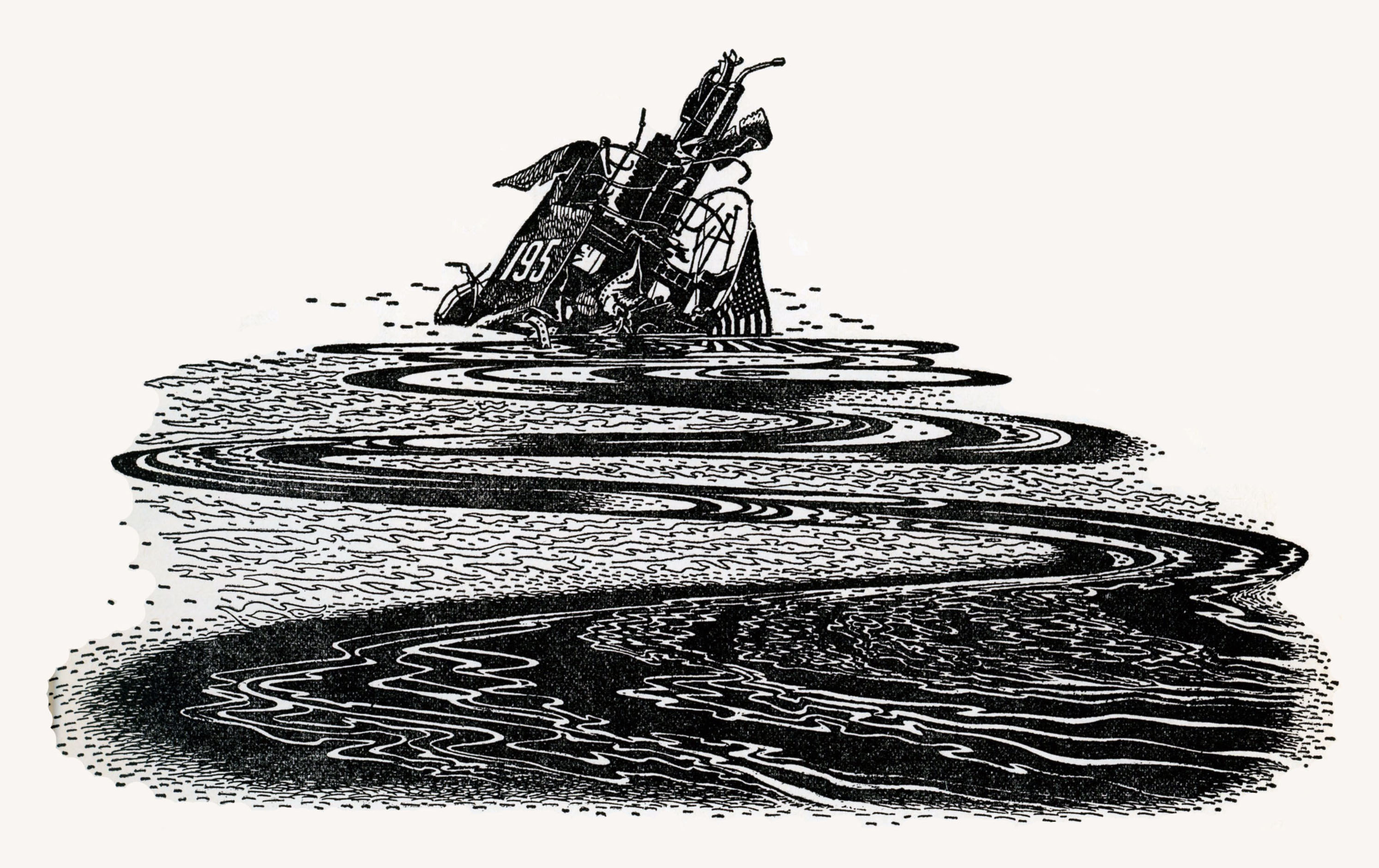 (Holocaust at Pearl Harbor – p. 1)
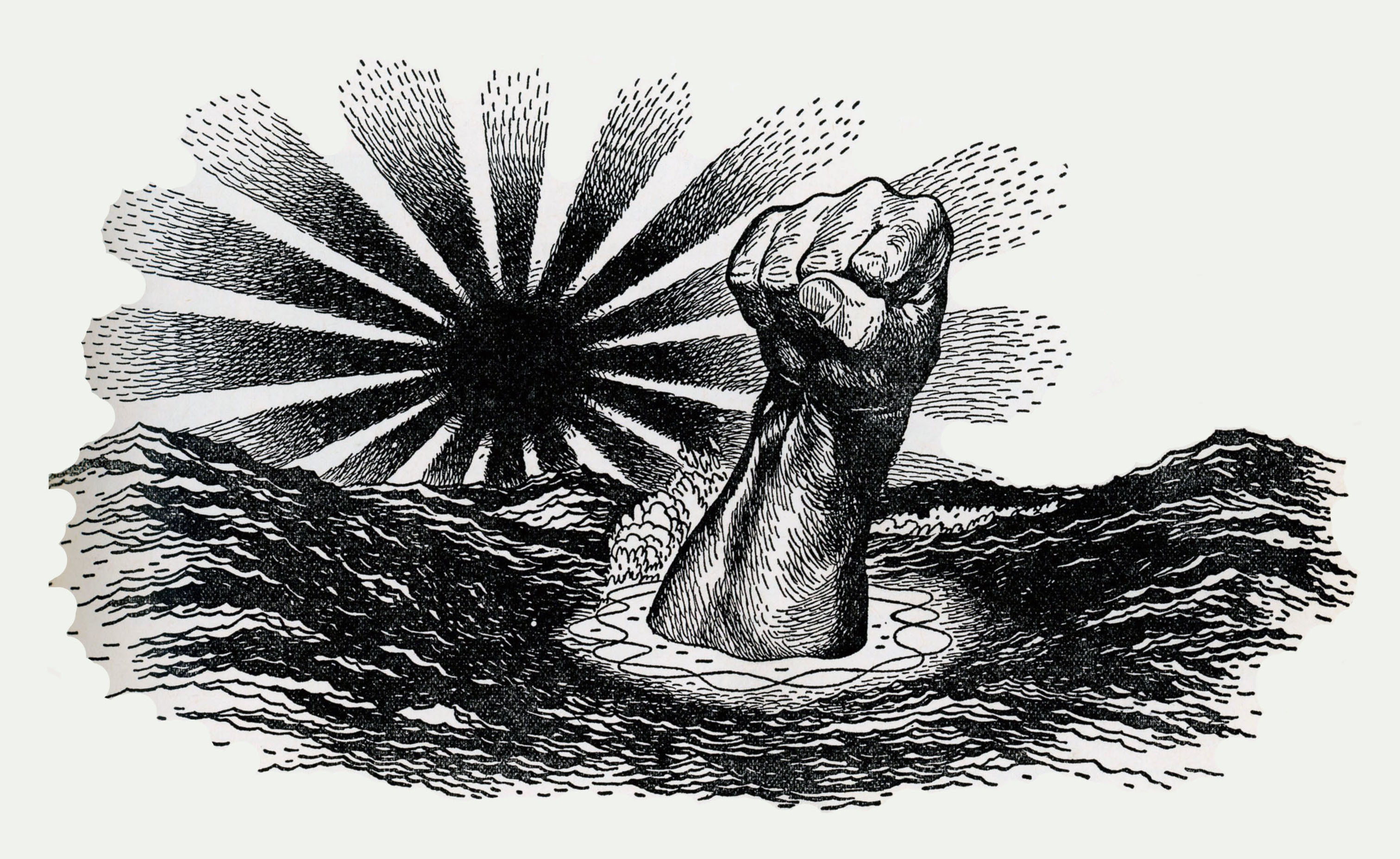 (The Fighting Defense – p. 47)
 (All-Out Attrition – p. 189)
 (Pacific Sweep – p. 301)
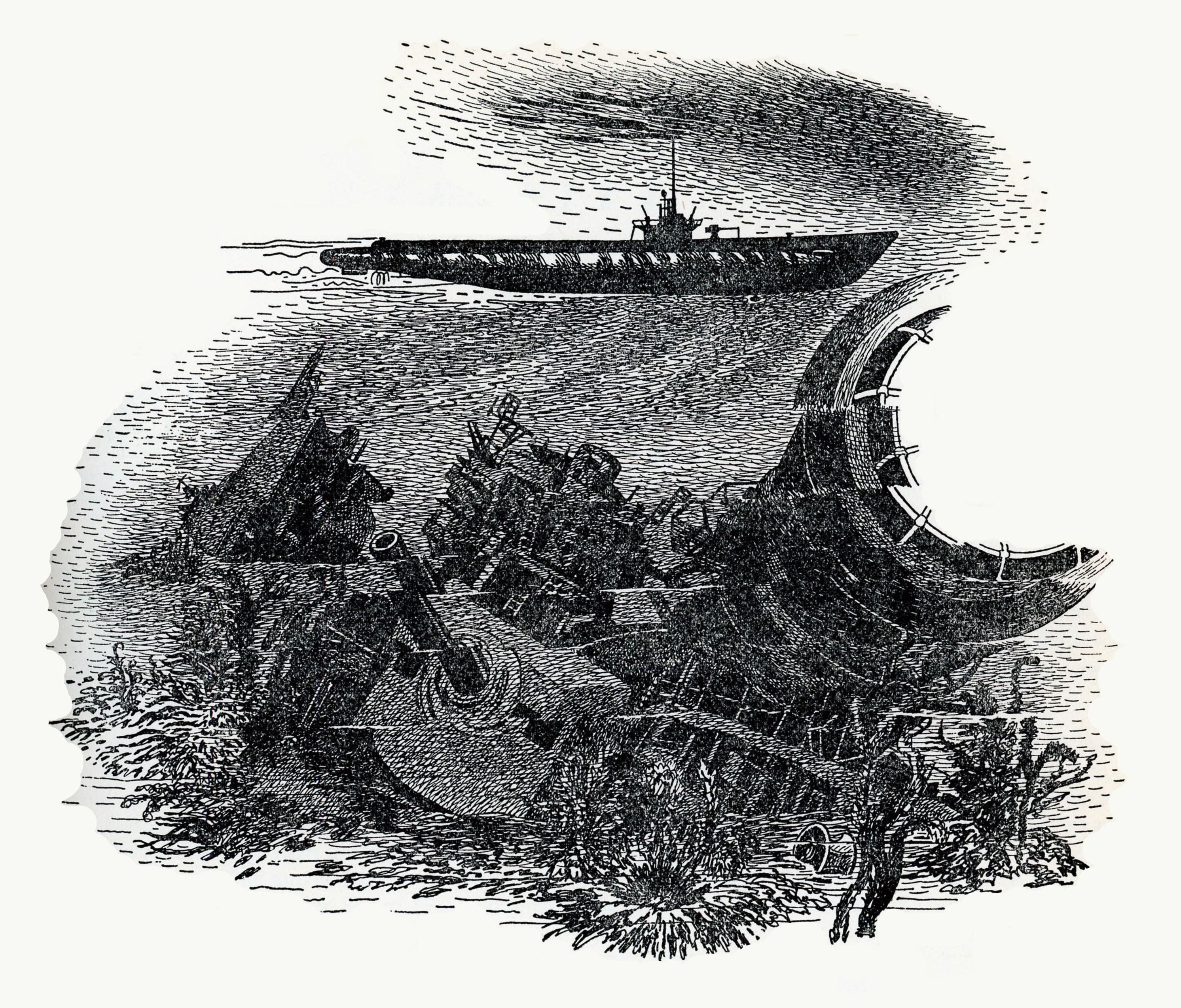 (Japanese Sunset – p. 437)
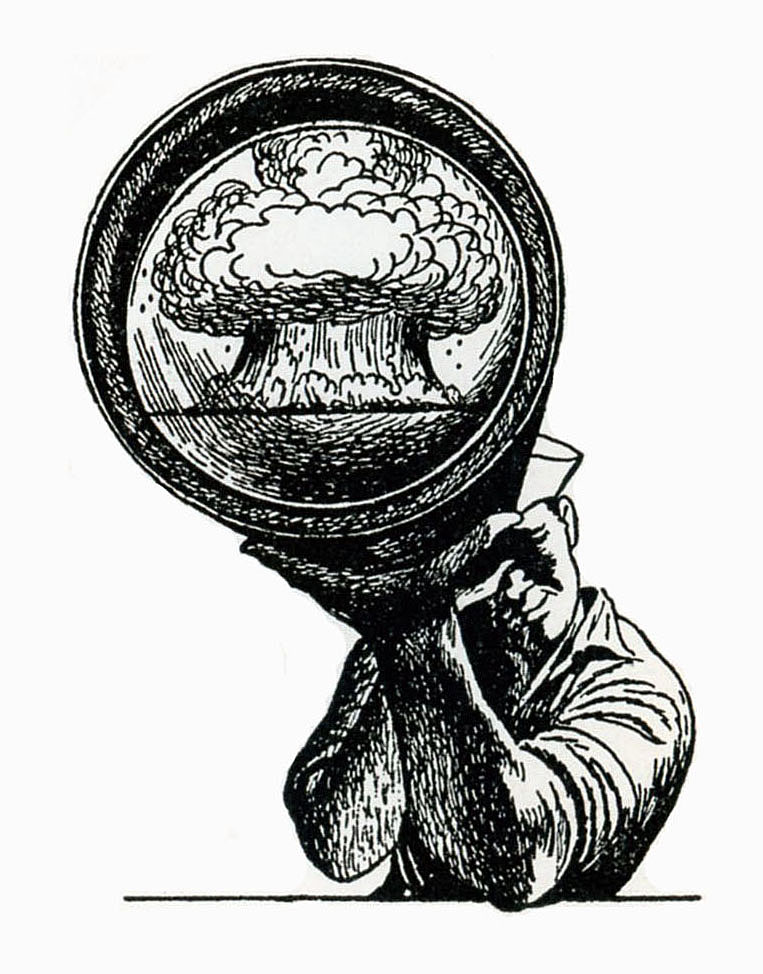 (Epilogue – p. 495)
HMS Ulysses, by Alistair MacLean – 1953 [Robert Emil Schulz]
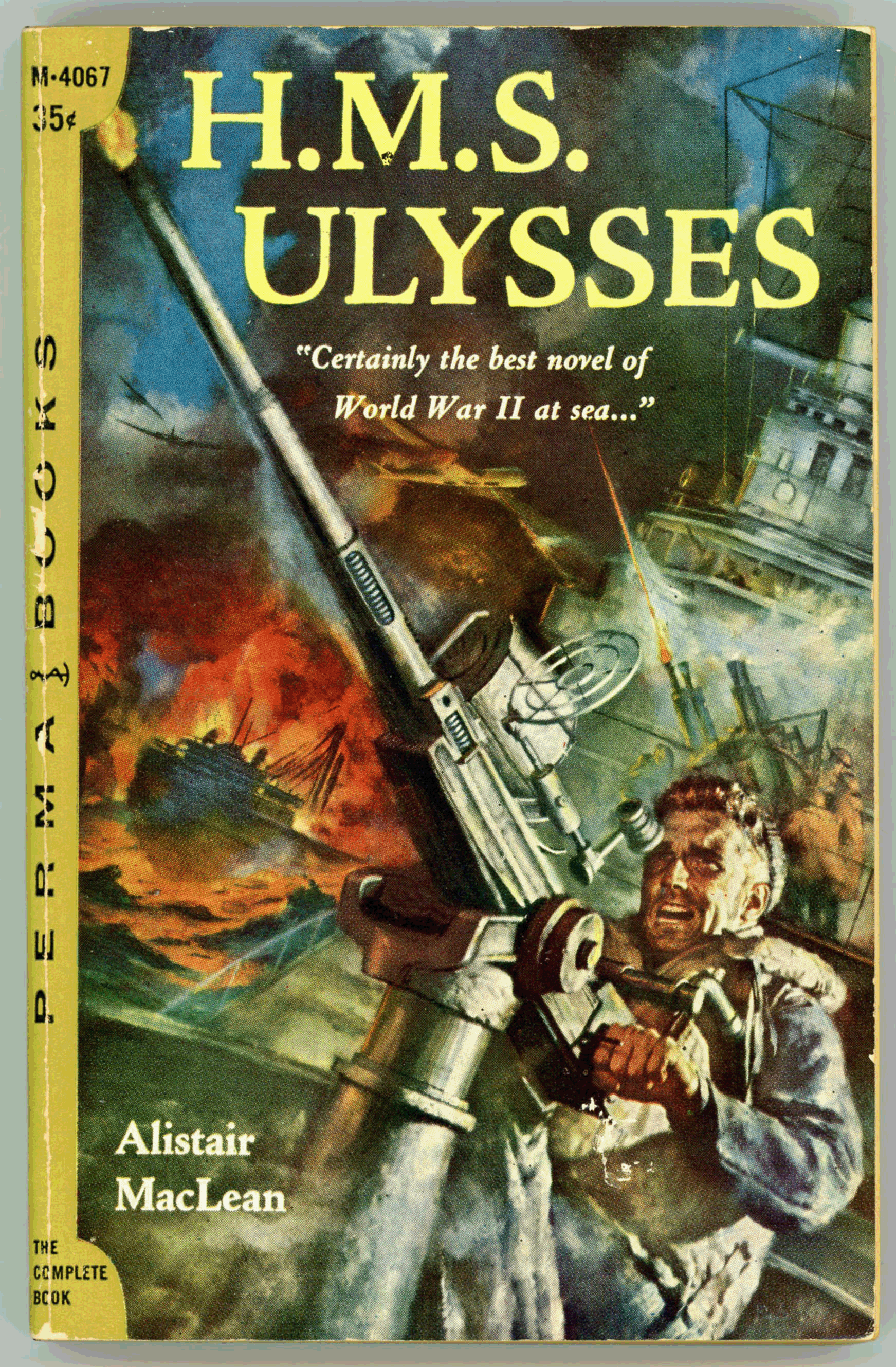 Cap in hand, Ralston sat down opposite the captain.
Vallery look at him for a long time in silence.
He wondered what to say, how best to say it.
He hated to have to do this.
Richard Vallery also hated war.
He always had hated it,
and he cursed the day it had dragged him out of his comfortable retirement.
At least “dragged” was how he put it;
only Tyndall knew that he had volunteered his services to the Admiralty
on September 1, 1939,
and had had them gladly accepted.
 But he hated war.
Not because it interfered with his lifelong passion for music and literature,
on both of which he was a considerable authority,
not even because it was a perpetual affront to his aestheticism,
to his sense of rightness and fitness.
He hated it because he was a deeply religious man,
because it grieved him to see in mankind the wild beasts of the primeval jungle,
because he thought the cross of his life was already burden enough
without the gratuitous infliction of the mental and physical agony of war,
and, above all,
because he saw war all too clearly as the wild and insensate folly it was, –
as a madness of the mind that settled nothing, proved nothing –
except the old, old truth that God was on the side of the big battalions.
But some things he had to do,
and Vallery had clearly seen that this war was to be his also.
And so he had come back to the service and had grown older
as the bitter years passed, older and frailer,
and more kindly and tolerant and understanding.
Among naval captains – indeed, among men – he was unique.
In his charity, in his humility, Captain Richard Vallery walked alone.
It was a measure of the man’s greatness
that this thought never occurred to him.
United States Destroyer Operations in World War II, by Theodore Roscoe – 1953 [Lt. Cdr. Fred Freeman] – III
 (Winning the Mediterranean – p. 364)
  (Central Pacific Push – p. 384)
 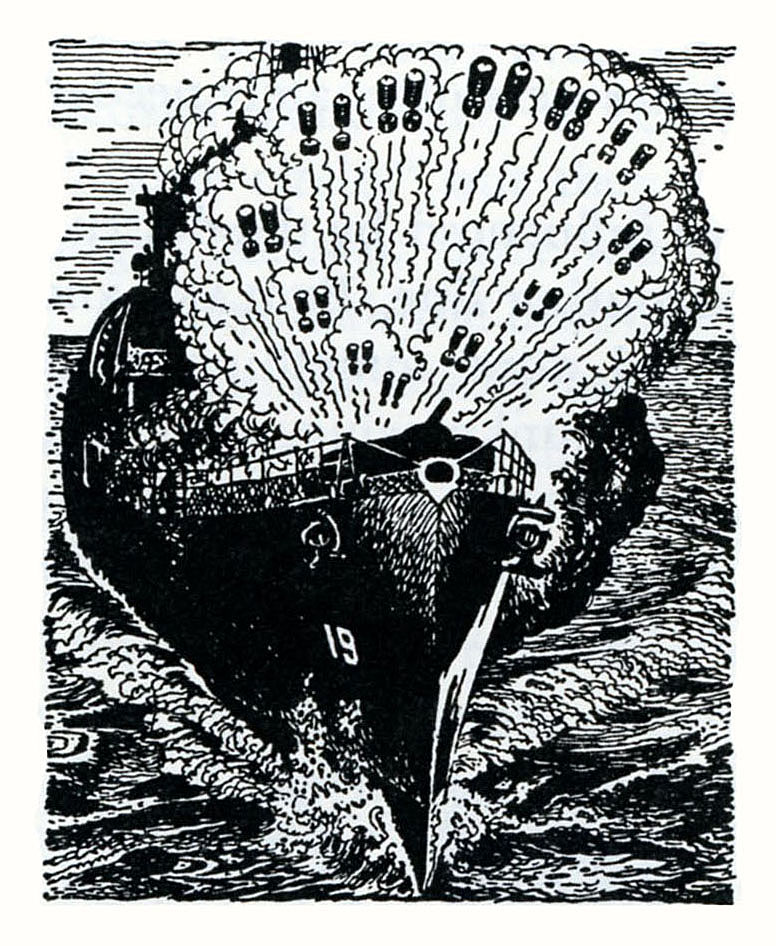 (Western Pacific Push – p. 402)
  (Battle off Samar – p. 424)
  (U.S.S. Hoel – p. 427)
  (U.S.S. Ross – p. 437)
  (Typhoon – Manila Bay – p. 448)
 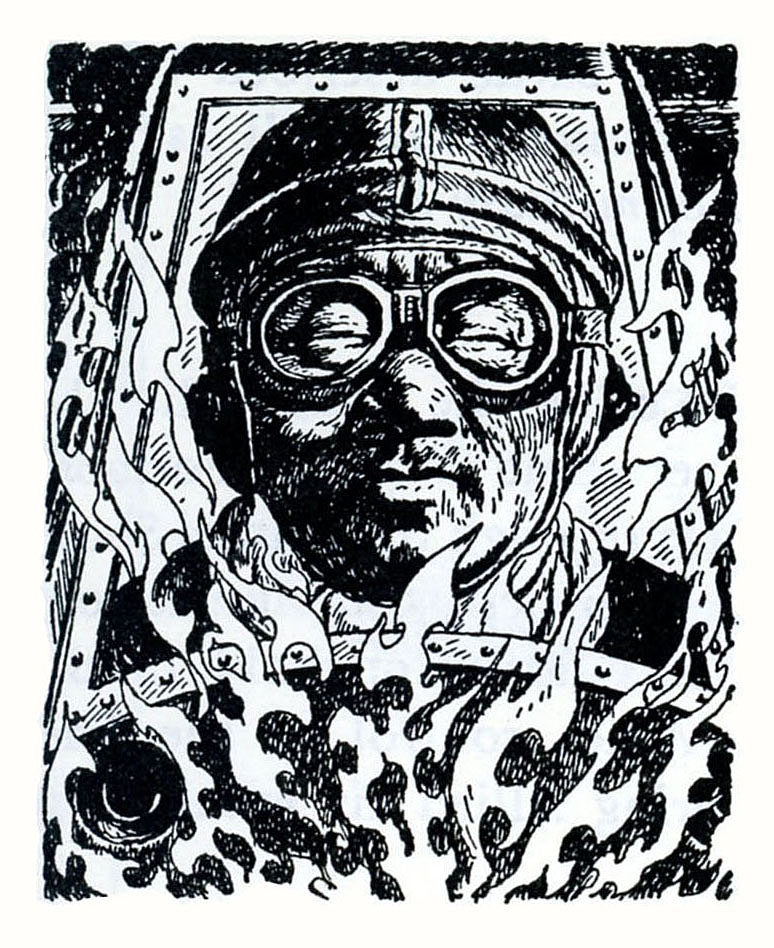 (Typhoon – Manila Bay – p. 459)
 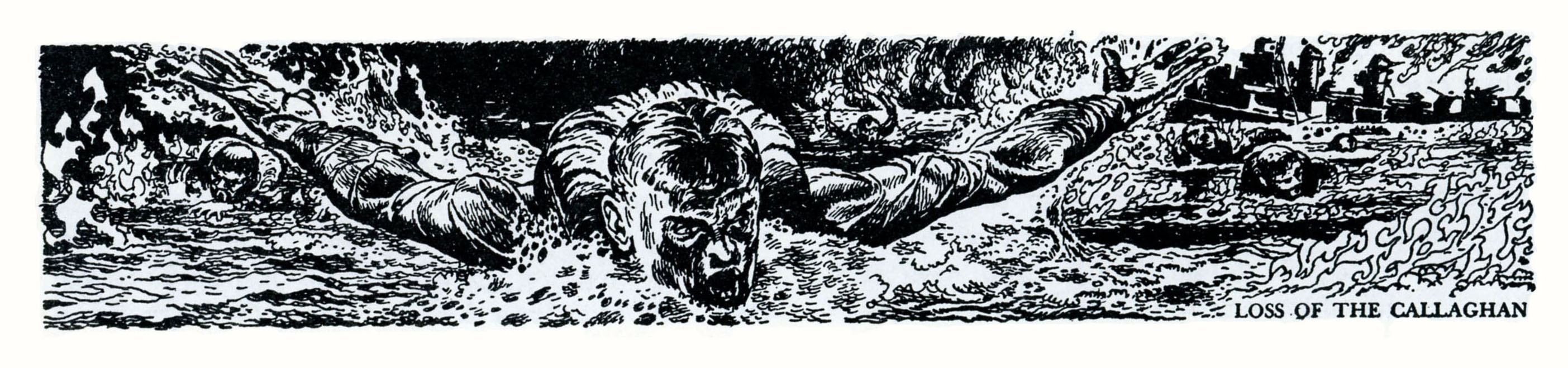 (Okinawa Invasion – p. 485)
 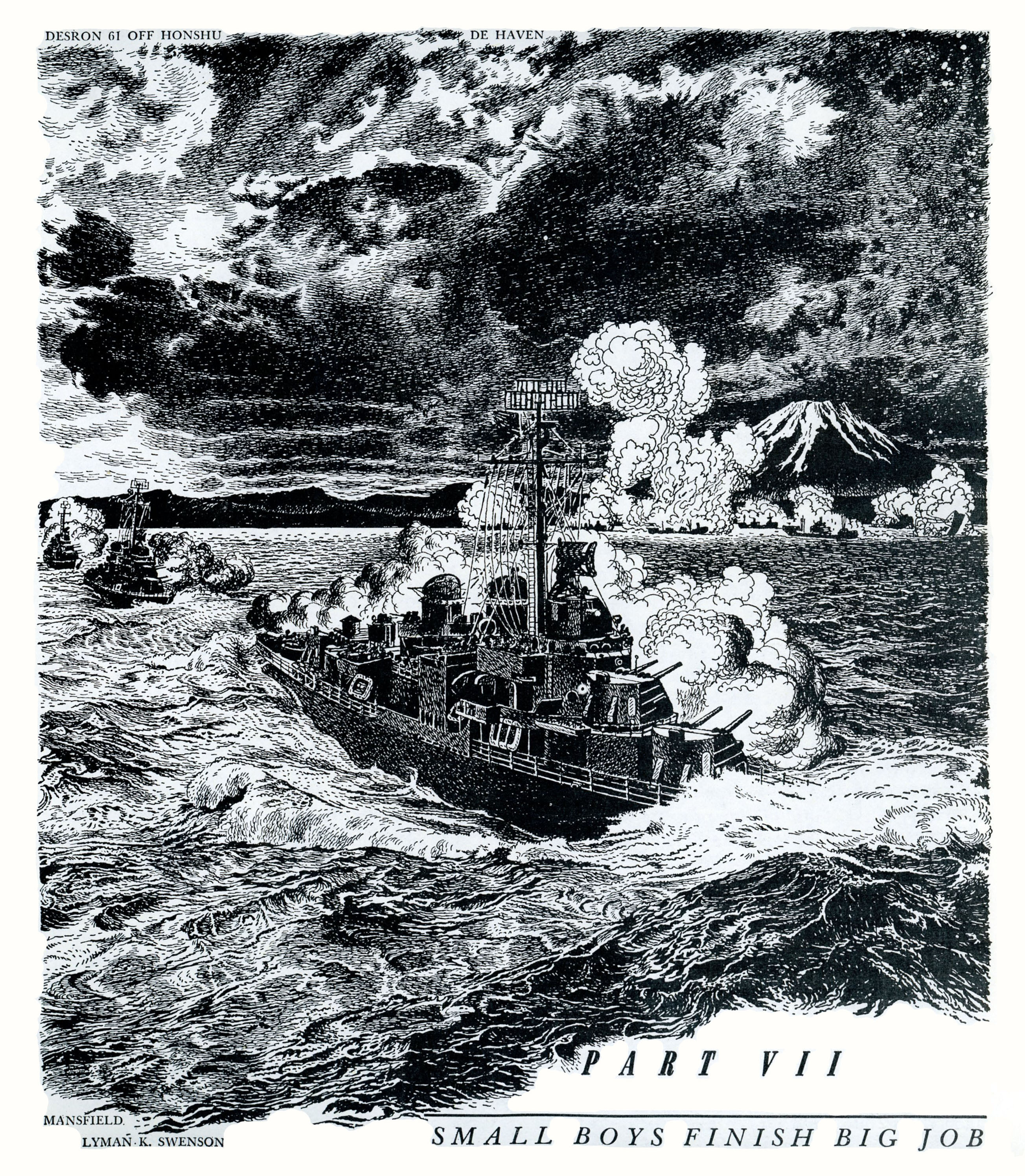 (Small Boys Finish Big Job – p. 501)
United States Destroyer Operations in World War II, by Theodore Roscoe – 1953 [Lt. Cdr. Fred Freeman] – II
 (Destroyers to North Africa – p. 149)
 (Central Solomons Sweep – p. 215)
 (Aleutian Conclusion – p. 249)
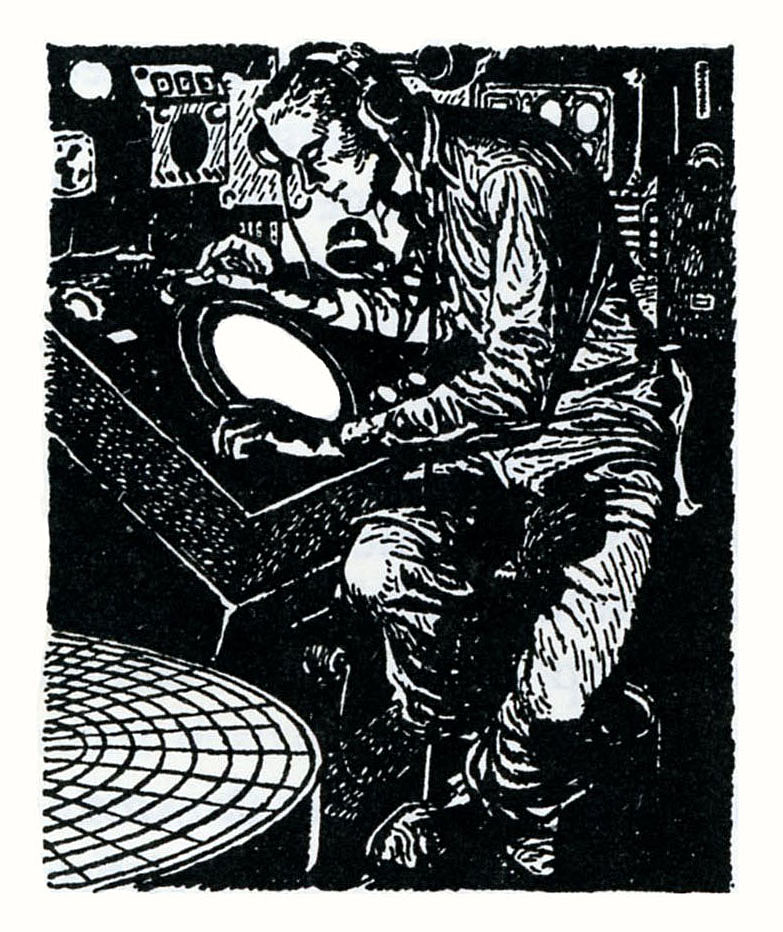 (South Seas Mop-Up – p. 256)
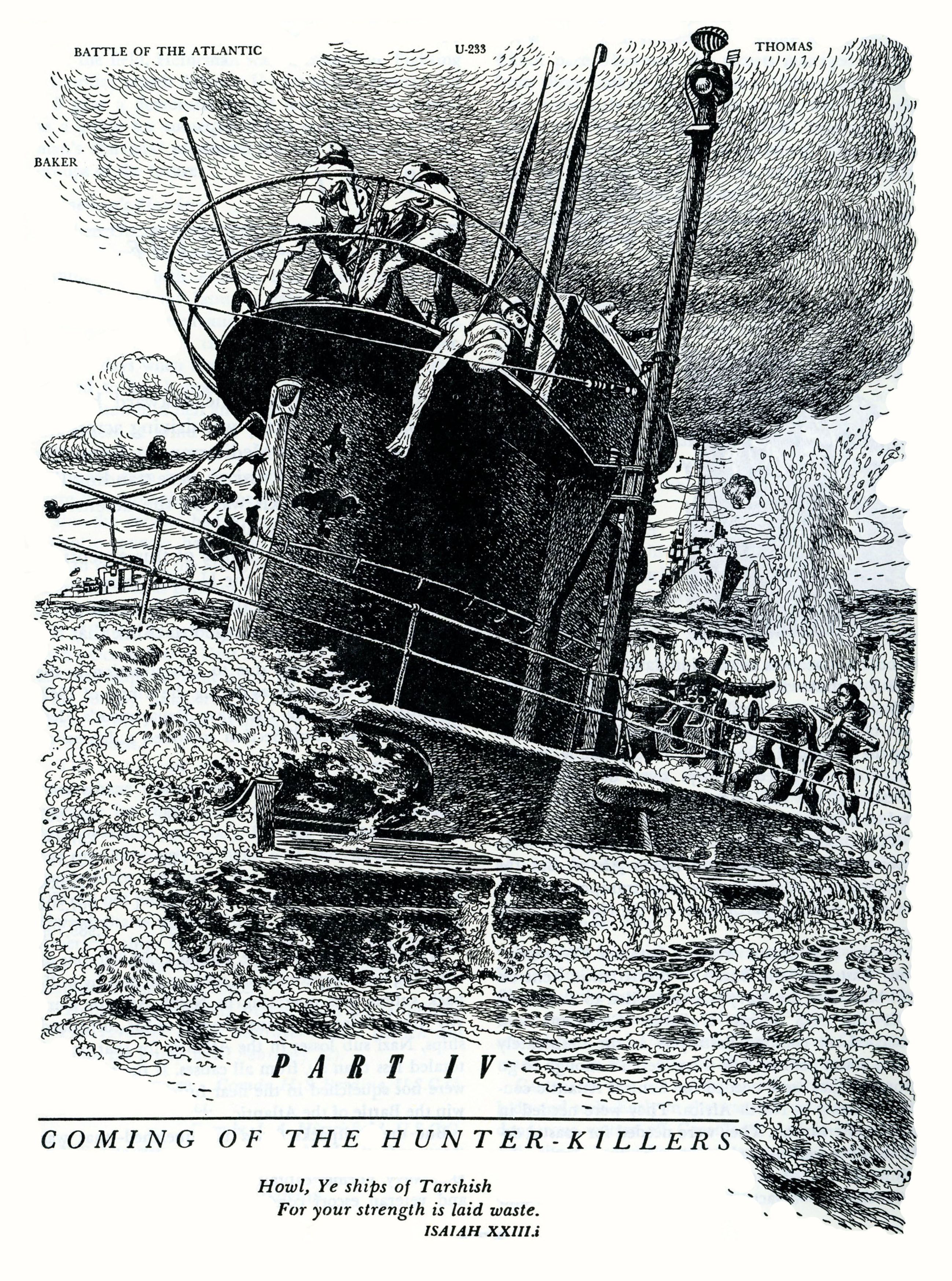 (Coming of the Hunter-Killers – p. 273)
 (Holding the Trans-Atlantic Line – p. 274)
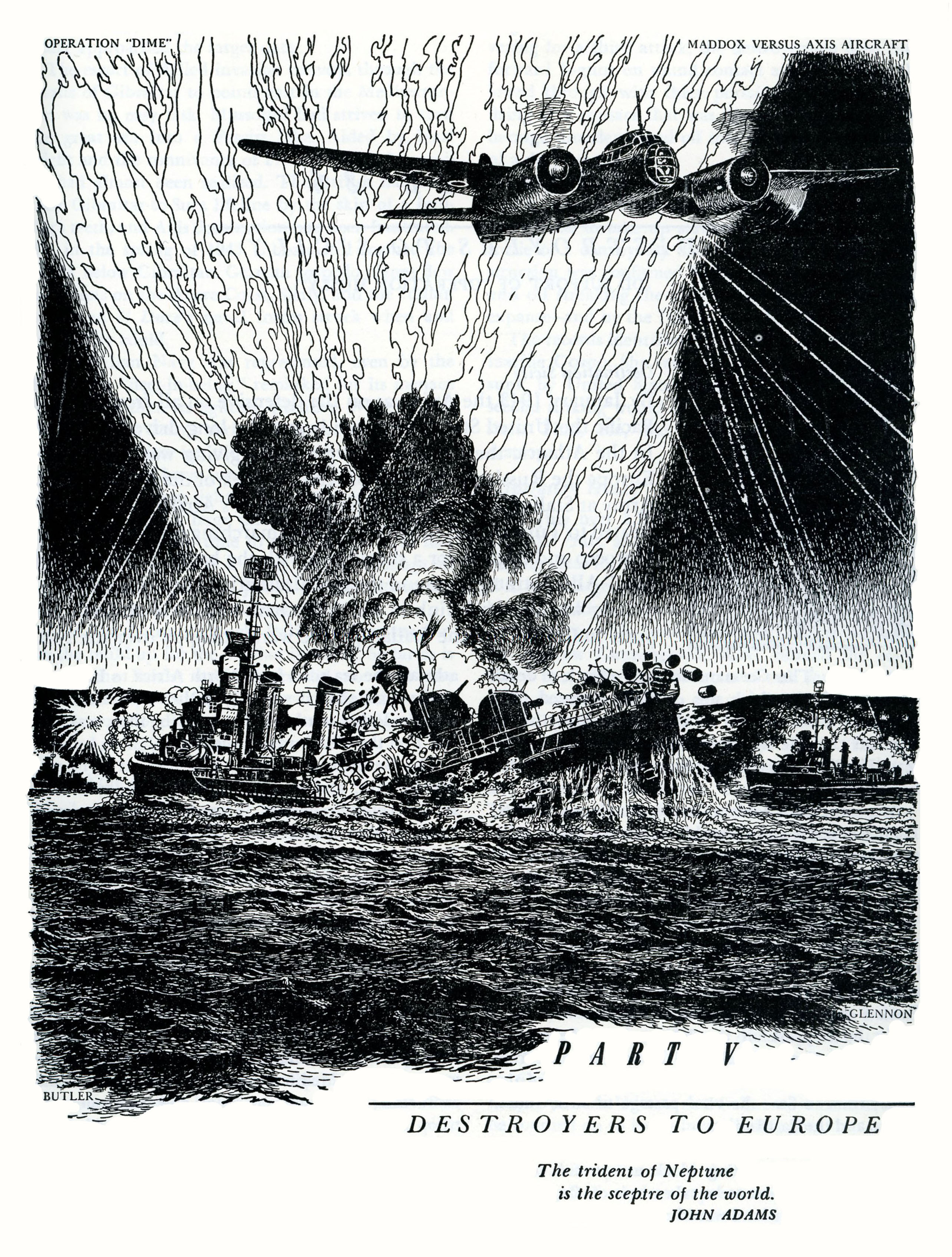 (Destroyers to Europe – p. 315)
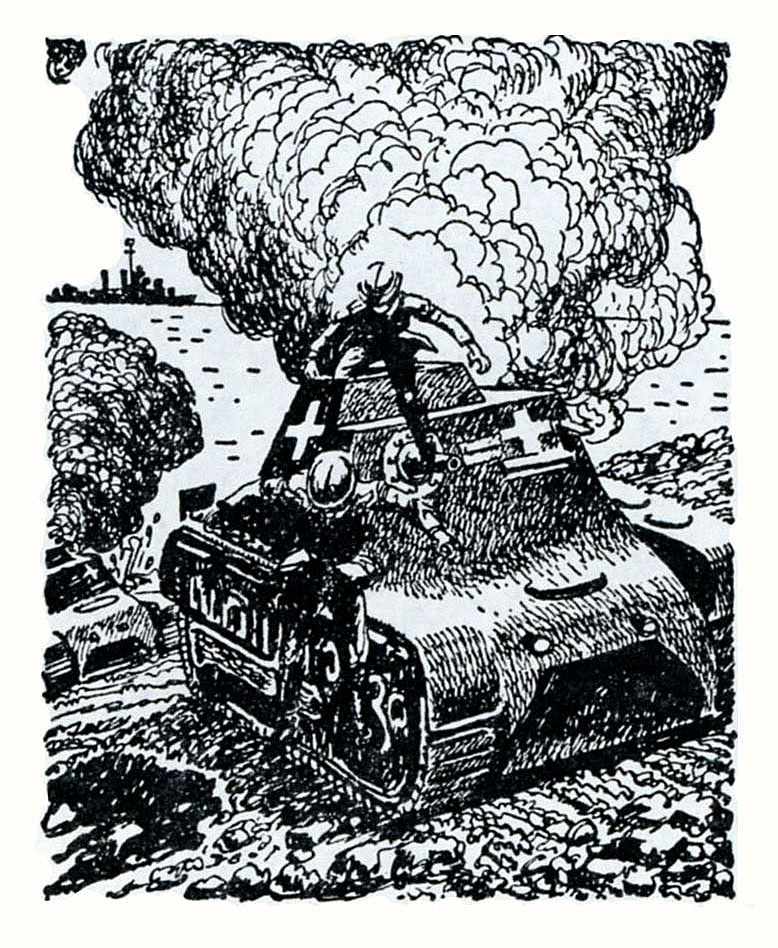 (Destroyers to Sicily – p. 316)
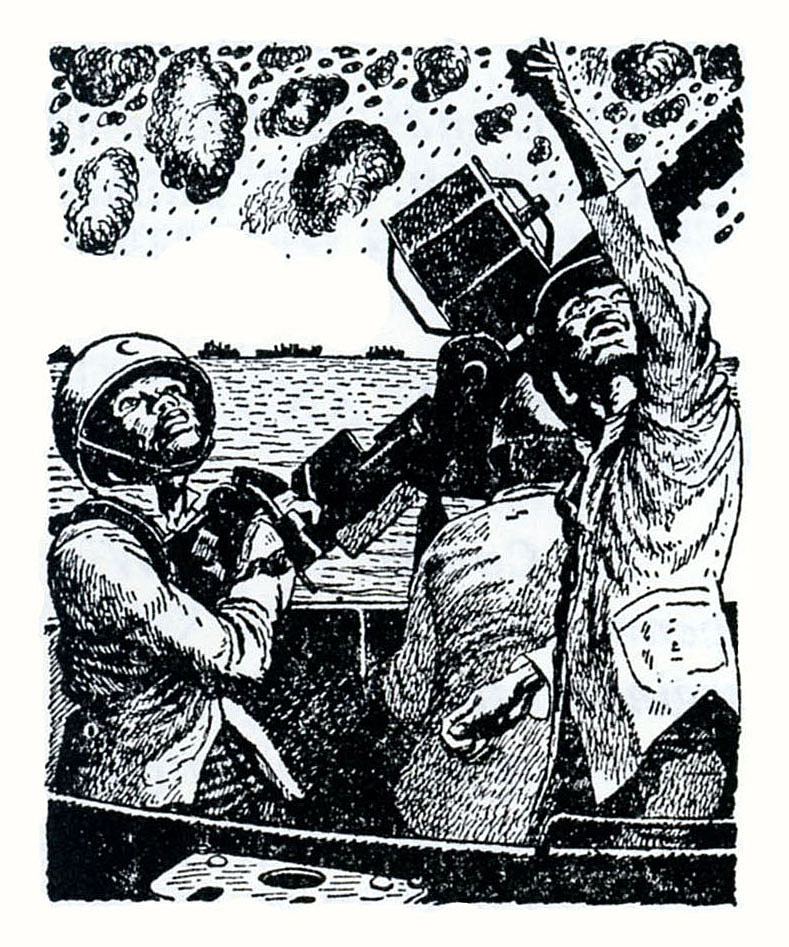 (Destroyers to Italy – p. 329)
 (Destroyers to Normandy – p. 343)
United States Submarine Operations in World War II, by Theodore Roscoe – 1949 [Lt. Cdr. Fred Freeman] – I
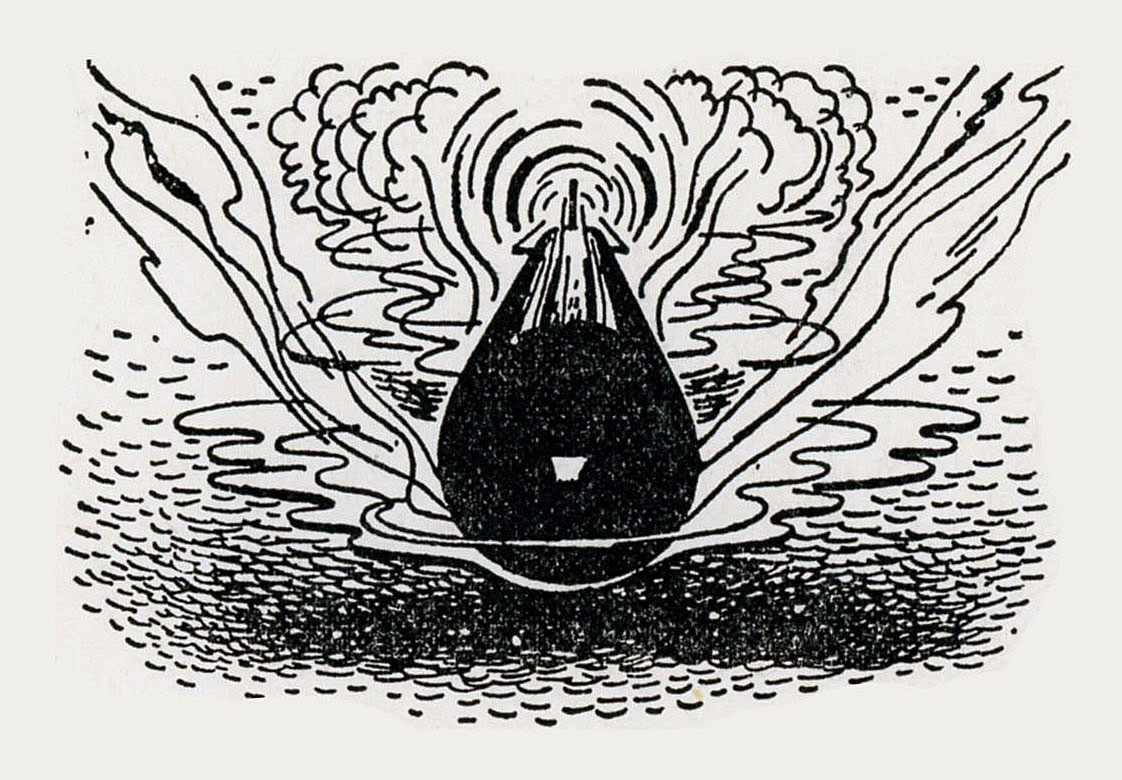 (Frontspiece)
 (p. iv)
 (p. viii)
 (Preface – p. xiii)
 (Holocaust at Pearl Harbor – p. 3)
 (Central Pacific Front – p. 12)
 (Philippines Invasion – p. 23)
 (Thunder Down Under – p. 93)
 (The Empire Blockade – p. 169)
 (Japanese Anti-Submarine War – p. 209)
 (Torpedo! – p. 250)
 (Central Pacific Offensive – p. 279)
 (Tokyo Approach – p. 439)
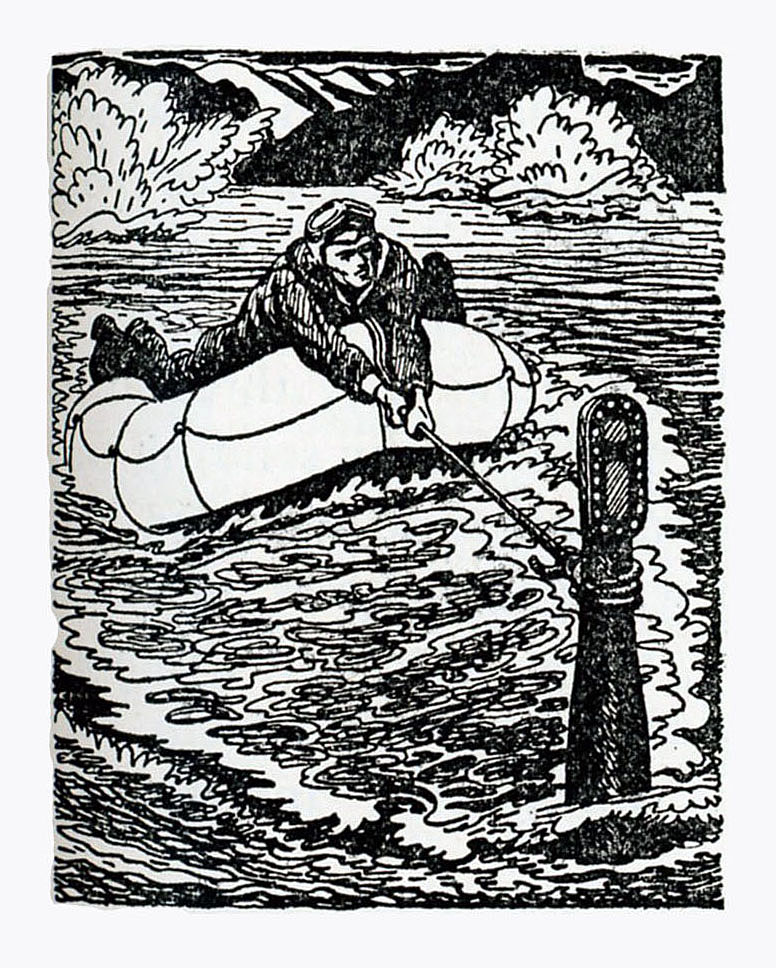 (Submarine Lifeguarding – p. 465)