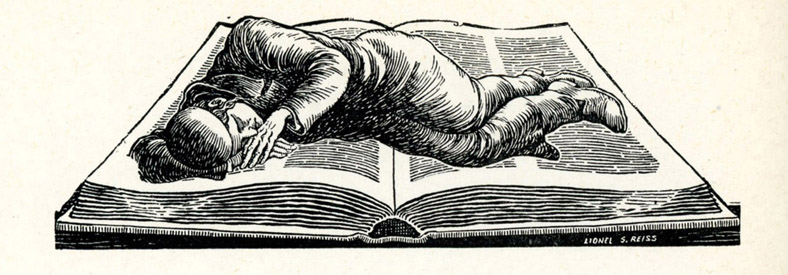
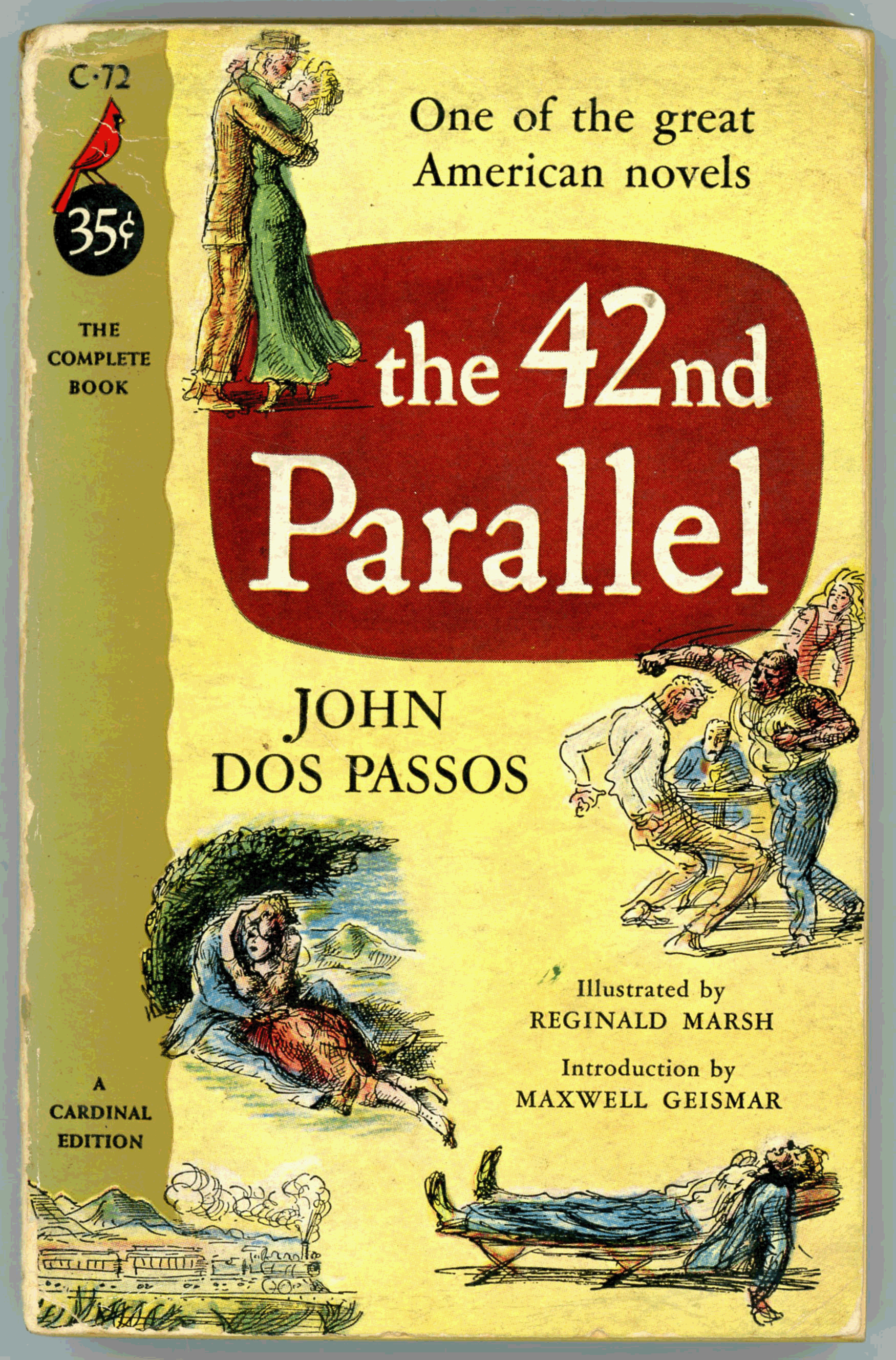
The 42nd Parallel, by John Dos Passos – 1930 (1952) [Reginald Marsh]

the-42nd-parallel-john-dos-passos-1952-frank-lieberman-1Newsreel XII
The Camera Eye (17)

the spring you could see Halley’s Comet over the elms from the back topfloor windows
of Upper House Mr. Greenleaf said you would have to go to confirmation class
and be confirmed when the bishop came
and next time you went canoeing you told Skinny that you wouldn’t be confirmed
because you believed in camping
and canoeing
and Halley’s Comet
and the universe
and the sound the rain made on the tent on the night you’d both read The Hound of the Baskervilles
and you’d hung out the steak on a tree
and a hound must have smelt it because he kept circling around you
and howling something terrible
and you were so scared (but you didn’t say that, you don’t know what you said)

the-42nd-parallel-john-dos-passos-1952-frank-lieberman-2

and not in church
and Skinny said if you’d never been baptized you couldn’t be confirmed
and you went and told Mr. Greenleaf
and he looked very chilly
and said you’d better not go to confirmation class any more
and after that you had to go to church Sundays
but you could go to either one you liked so sometimes you went to the Congregational
and sometimes to the Episcopalian
and the Sunday the Bishop came you couldn’t see Halley’s Comet any more
and you saw the others being confirmed
and it lasted for hours because there were a lot of little girls being confirmed too
and all you could hear was mumble mumble this thy child mumble mumble this my child
and you wondered if you’d be alive next time Halley’s Comet came round

3/15/18 257

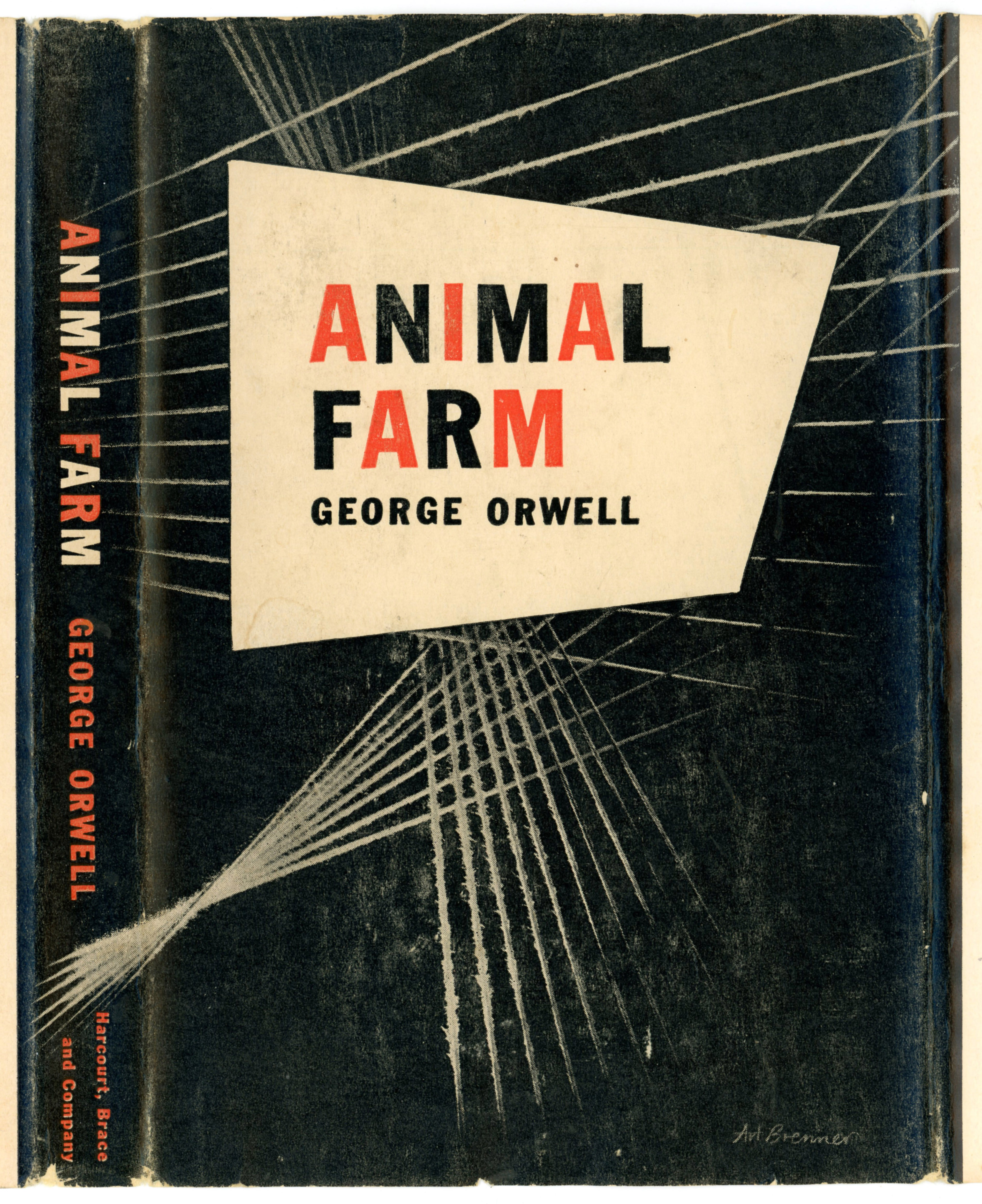
Lost Horizon, by James Hilton – 1933 (1967) [Unknown Artist]

“There is a reason, and a very definite one indeed. 
It is the whole reason for this colony of chance-sought strangers living beyond their years. 
We do not follow an idle experiment, a mere whimsy. 
We have a dream and a vision. 
It is a vision that first appeared to old Perrault when he lay dying in this room in the year 1789. 
He looked back then on his long life,
as I have already told you,
and it seemed to him that all the loveliest things were transient and perishable,
and that war, lust, and brutality
might some day crush them until there were no more left in the world. 
He remembered sights he had seen with his own eyes,
and with his mind he pictured others;
he saw the nations strengthening,
not in wisdom, but in vulgar passions and the will to destroy;
he saw their machine-power multiplying until a single-weaponed man
might have matched a whole army of the Grand Monarque. 
And he perceived that when they had filled the land and sea with ruin,
they would take to the air… 
Can you say that this vision was untrue?”

“True indeed.”

“But that was not all. 
He foresaw a time when men,
exultant in the technique of homicide,
would rage so hotly over the world that every precious thing would be in danger,
every book and picture and harmony,
every treasure garnered through two milleniums,
the small,
the delicate,
the defenseless – all would be lost like the books of Livy,
or wrecked as the English wrecked the Summer Palace in Pekin.”

“I share your opinion of that.”

“Of course. 
But what are the opinions of reasonable men against iron and steel? 
Believe me, that vision of old Perrault will come true. 
And that, my son, is why I am here,
and why you are here,
and why me pray to outlive the doom that gathers around on every side.”

“To outlive it?”

“There is a chance.  It will come to pass before you are as old as I am.”

“And you think that Shangri-La will escape?”

“Perhaps. 
We may expect no mercy, but we may faintly hope for neglect. 
Here we shall stay with our books and our music and our meditations,
conserving the frail elegancies of a dying age,
and seeking such wisdom as men will need when their passions are all spent. 
We have a heritage to cherish and bequeath. 
Let us take what pleasure we may until that time comes.”

(James Hilton)

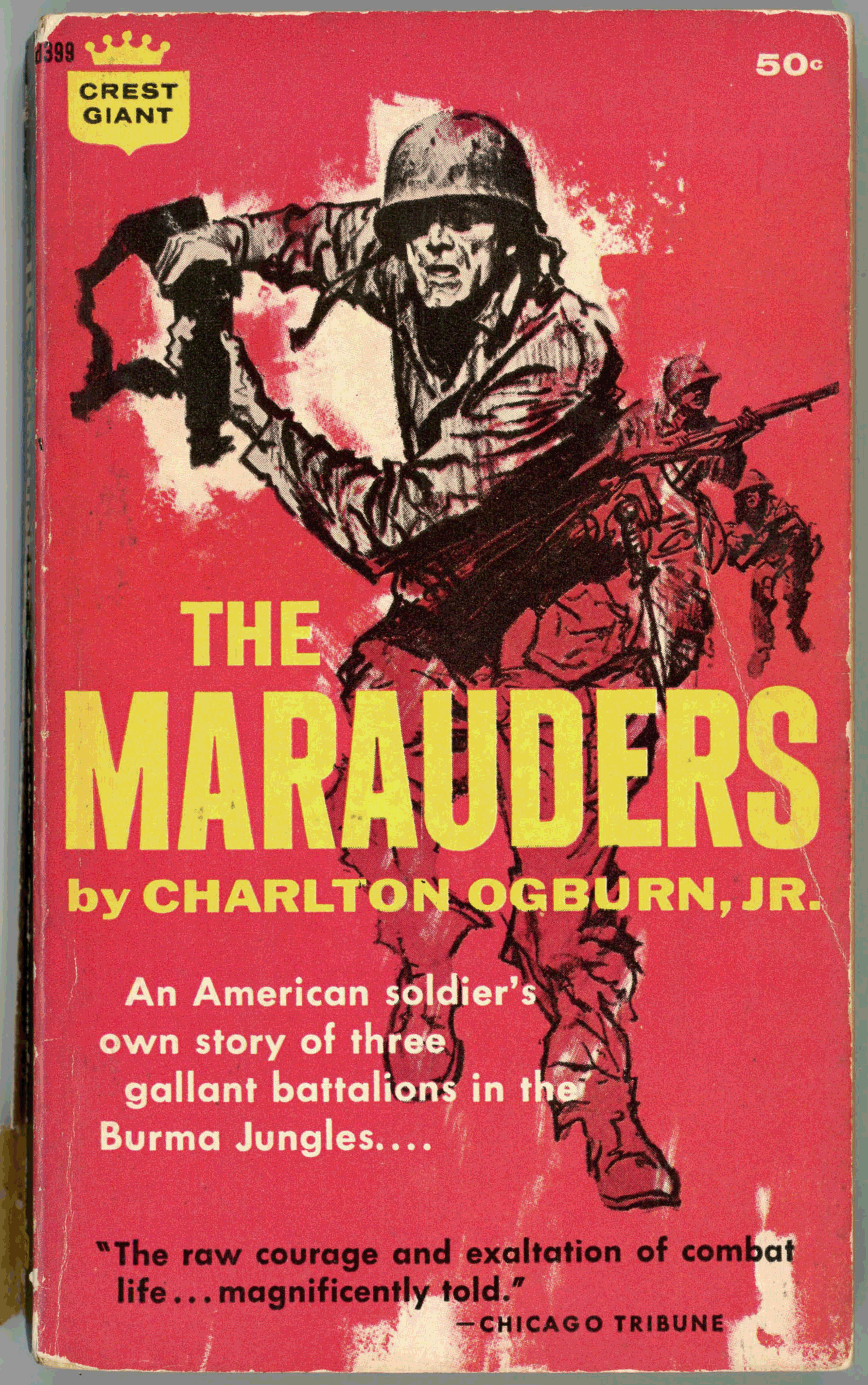
The Marauders, by Charlton Ogburn, Jr. – 1956 (1960) [Unknown Artist]

“Being unready and ill-equipped is what you have to expect in life.”


“…  I say bad luck.
But in looking back in it I found myself wondering.  
For nothing could have been better calculated than that experience to bring home to me a lesson that has to be learned.  
It was one I could wish I had been imparted to me early in life.  
It was one I believe must have been understood in advance by those who gave Galahad its record of heroism.

It is this.
Being unready and ill-equipped is what you have to expect in life.
It is the universal predicament.

It is your lot as a human being to lack what it takes.
Circumstances are seldom right.
You never have the capacities, the strength, the wisdom, the virtue you ought to have.
You must always make do with less than you need in a situation vastly different from what you would have chosen as appropriate for your special endowments.

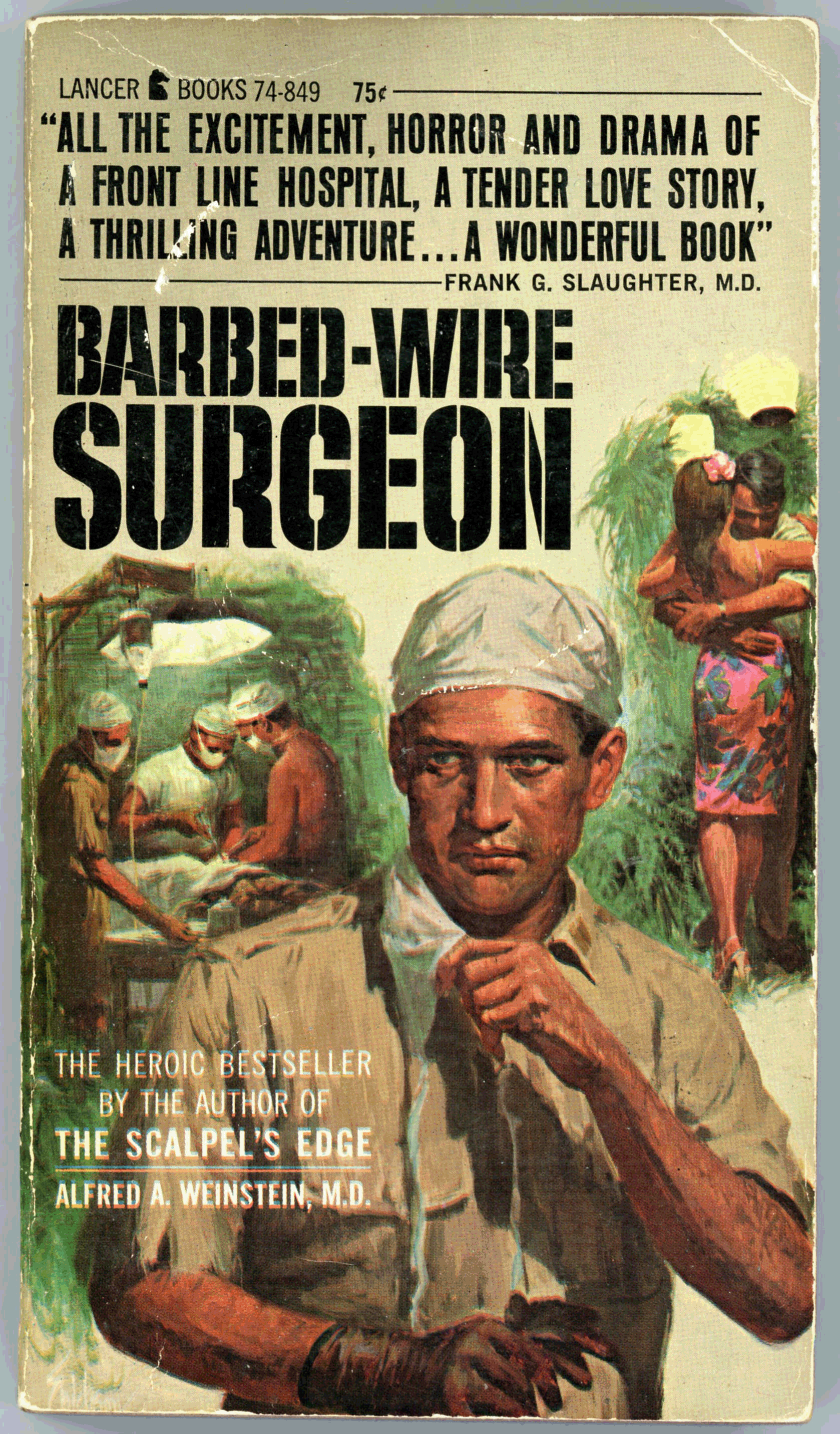
Cooper, by Hilary Masters – 1987 [Kingsley Parker]

Only much later would he understand that she lived in constant fear of her own imagination,
that her mind was sectioned into areas of frightening possibilities
through which she moved like a comic-strip heroine
sending up balloons of alarm and self-doubt. 

Am I pretty? 
Is he looking at me? 
What does he want from me? 
Are my poems dull? 
Commonplace? 
Anything? 

– Hilary Masters

Two Years Before the Mast, by Richard Henry Dana – 1869 (1969, 1977) [Unknown Artist]

I wished to be alone,
so I let the other passengers go up to the town,
and was quietly pulled ashore in a boat,
and left to myself. 
The recollections and the emotions all were sad, and only sad.

Fugit, interea fugit irreparabile tempus.

The past was real.
The present, all about me, was unreal, unnatural, repellent.
I saw the big ships lying in the stream,
the Alert, the California, the Rosa, with her Italians;
then the handsome Ayacucho, my favourite;
the poor dear old Pilgrim, the home of hardship and helplessness;
the boats passing to and fro;
the cries of the sailors at the capstan or falls;
the peopled beach; the large hide-houses, with their gangs of men;
and the Kanakas interspersed everywhere.
All, all were gone! not a vestige to mark where one hide-house stood.
The oven, too, was gone.
I searched for its site, and found, where I thought it should be,
a few broken bricks and bits of mortar.
I alone was left of all, and how strangely was I here!
What changes to me!
Where were they all?
Why should I care for them –
poor Kanakas and sailors,
the refuse of civilisation,
the outlaws and beach-combers of the Pacific?

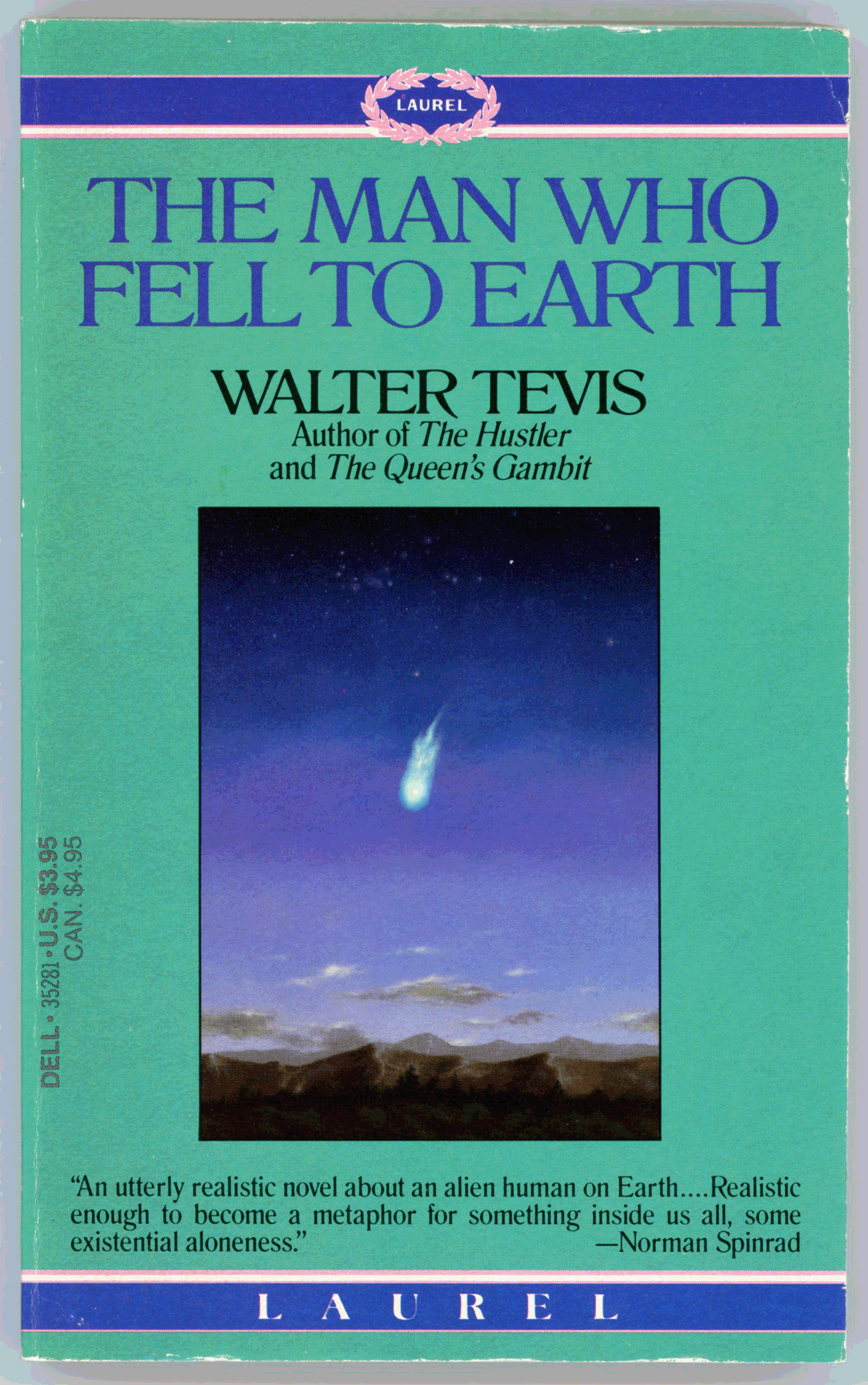
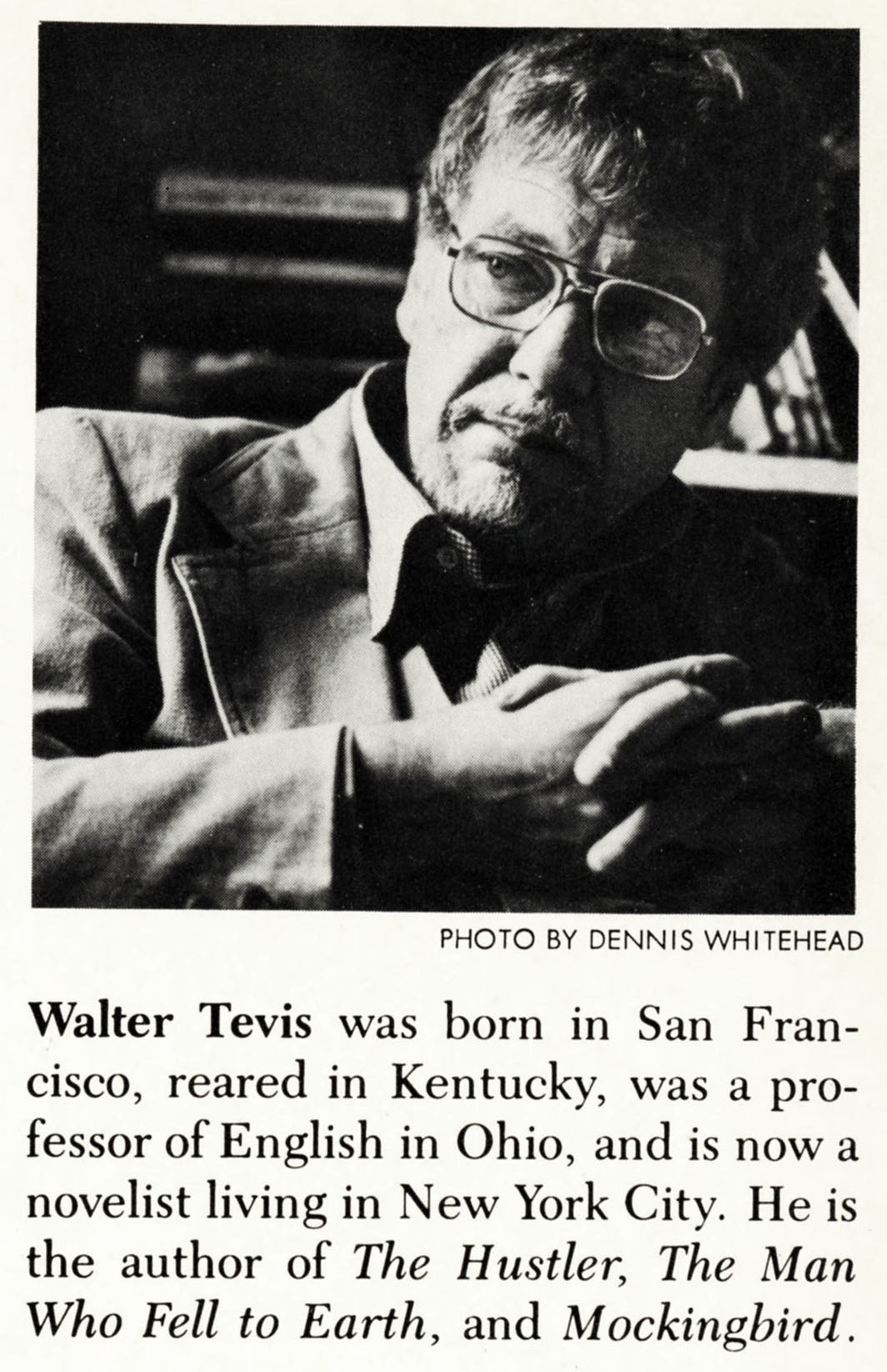
The Man Who Fell to Earth, by Walter Tevis – 1963 (1986) [Unknown Artist]; 1990 [Tim O’Brien]

He was sick; sick from the long,
dangerous trip he had taken,
sick from all the medicine – the pills,
the inoculations, the inhaled gases – sick from worry,
the anticipation of crisis,
and terribly sick from the awful burden of his own weight. 
He had known for years that when the time came,
when he would finally land and begin to effect that complex,
long-prepared plan, he would feel something like this. 
This place, however much he had studied it,
however much he had rehearsed his part in it,
was so incredibly alien – the feeling,
now that he could feel – the feeling was overpowering. 
He lay down in the grass and became very sick.

He was not a man; yet he was very much like a man. 
He was six and a half feet tall,
and some men are even taller that that;
his hair was as white as that of an albino,
yet his face was a light tan color;
and his eyes a pale blue. 
His frame was improbably slight,
his features delicate, his fingers long,
thin,
and the skin almost translucent, hairless. 
There was an elfin quality to his face,
a fine boyish look to the wide, intelligent eyes,
and the white,
curly hair now grew a little over his ears. 
He seemed quite young.

Yet he did have eyelashes,
eyebrows,
opposed thumbs,
binocular vision,
and a thousand of the physiological features of a normal human. 
He was incapable of warts;
but stomach ulcers, measles and dental caries could affect him. 
He was human; but not, properly, a man. 
Also, man like, he was susceptible to love,
to fear,
to intense physical pain and to self-pity.

____________________

(1990 Book-of-the-Month Club hardcover edition, art by Tim O’Brien)