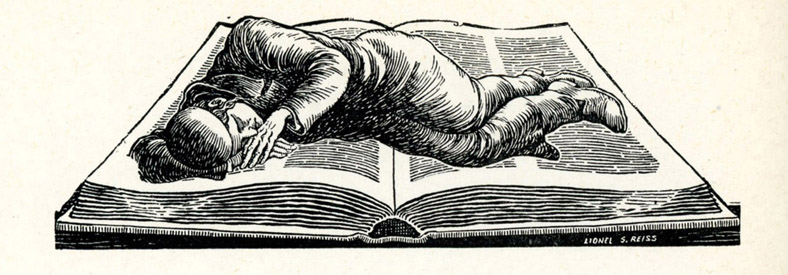
Here’s a light and humorous essay about becoming an American (or, if you prefer, an “American”) from The New York Times of 1987, by writer Miklós Vámos. It’s accompanied by a clever illustration by the multi-skilled, multi-faceted Terry Allen.
Enjoy the words.
And, enjoy the picture.
How I’ll Become an American
Miklós Vámos
The New York Times
April 17, 1987
NEW HAVEN
I have been Hungarian for 38 years. I’ll try something else for the next 38. I’ll try to be American, for instance. North American, I mean. As an American, I’ll speak English fluently. I’ll make American mistakes instead of Hungarian mistakes and I’ll call them slang. As an American, I’ll have a credit card. Or two. I’ll use and misuse them and have to pay the fees. I’ll apply for other cards right away. Golden Visa. Golden American. Golden Gate. And I’ll buy a car, a great American car. Then I’ll sell my car and buy a smaller West German car because it’s reliable and doesn’t use so much gasoline. Later, I’ll sell it and buy a smaller Japanese car with a computer aboard. Then I’ll sell it and buy a camper. When I sell the camper I’ll buy a bicycle.
As an American, I’ll buy a dog. And a cat. And a goat. And a white whale. And also some big stones as pets.
I’ll live in my own house. It will be mine, except for the 99 percent mortgage. I’ll sell my house and buy a condo. I’ll sell my condo and buy a mobile home. I’ll sell my mobile home and buy an igloo. I’ll sell my igloo and buy a tent. As an American, I’ll be clever: I’ll sell my igloo and buy a tent when I move to Florida from Alaska.
Anyway, I’ll move a lot. And I’ll buy the best dishwasher, microwave, dryer and hi-fi in the world — that is, the U.S.A. I’ll have warranty for all — or my money back. I’ll use automatic toothbrushes, egg boilers and garage doors. I’ll call every single phone number starting 1-800.
I’ll buy the fastest food I can get and I’ll eat it very slowly because I’ll watch TV during the meals. Of course, I’ll buy a VCR. I’ll watch the taped programs and then retape. Sometimes I’ll retape first.
As an American, I’ll have an answering machine, too. The outgoing message will promise that I’ll call you back as soon as possible, but it won’t be possible soon.
If I answer the phone as an exception, I’ll tell you that I can’t talk now because I have a long-distance call on the other line, but I’ll call you back as soon as possible (see above).


Illustration by Terry Allen
 And I’ll get a job. I’ll always be looking for a better job, but I won’t get the job I want. I’ll work really hard since as an American I wanna be rich. I’ll be always in a hurry: Time Is Money. Unfortunately, my time won’t be worth as much money as my bosses’ time. Sometimes I will have some time and I still won’t have enough money. Then I’ll start to hate the wisdom of this saying.
As an American, sometimes I’ll be badly depressed. I’ll be the patient of 12 psychiatrists, and I’ll be disappointed with all of them. I’ll try to change my life a little bit. I’ll try to exchange my wives, my cars, my lovers, my houses, my children, my jobs and my pets.
Sometimes, I’ll exchange a few dollars into other currencies and I’ll travel to Europe, Hawaii, Tunisia, Martinique and Japan. I’ll be happy to see that people all over the world are jealous of us Americans.
I’ll take at least 2,000 snapshots on each trip. I’ll also buy a video camera and shoot everywhere. I’ll look at the tapes, photos and slides, and I’ll try to remember my experiences when I have time and am in the mood. But I won’t have time or be in the mood because I’ll get depressed again and again.
I’ll smoke cigarettes. Then I’ll be afraid of cancer and I’ll stop. I’ll smoke cigars. And opium. I’ll take a breather and then try LSD and heroin and cocaine and marijuana. To top it all off: crack. I’ll try to stop then but I won’t be able.
I’ll call 1-800-222-HELP. If nothing helps, I’ll have some gay experiences. And swing. And if I am still unhappy, I’ll make a final effort: I’ll try to read a book. I’ll buy some best sellers. I’ll prefer James A. Michener. My second favorite will be the “How to Be Rich in Seven Weeks.” I’ll try to follow this advice in seven years.
I’ll always be concerned about my health as an American. I won’t eat anything but health food until I get ill. From time to time, I’ll read in the paper that I should stop eating meat sugar, bread, fiber, grains, iron toothpaste, and that I should stop drinking milk, soda, water, acid rain. I’ll try to follow this advice, but then I’ll read in the paper that I should do it the other way around.
I’ll be puzzled. “Hey, I don’t even know what cholesterol is!” Yet I’ll stick to decaf coffee, sugar-free cookies, salt-free butter and lead-free gasoline. I’ll believe that proper diet and exercise make life longer. I’ll go jogging every day until I am mugged twice and knocked down three times. Then I’ll just exercise in my room, but it will also increase my appetite. I’ll go on several diets, and little by little I’ll reach 200 pounds.
As an American, I’ll buy a new TV every time a larger screen appears on the market. In the end, the screen will be larger than the room. It will be difficult to put this enormous TV into my living room; thus, I will put my living room into the TV. Anyway, my living room will look very much like the living rooms you can see on the screen. My life won’t differ from the lives you can see in the soaps: nobody will complain. I won’t complain either. I’ll always smile.
After all, we are Americans, aren’t we?
Miklos Vamos, a Hungarian novelist and playwright, is spending the year at the Yale School of Drama.
And what else?
Miklós Vámos, at…
… Miklós Vámos.com (at Wayback Machine)
… Tablet Magazine (Essay: “Things to Do After My Death”, February 15, 2024)
… The Guardian (Book review: “The Sins of the Fathers”, August 26, 2006)
Terry Allen, at…
… Smithsonian Oral History Interview (April 22, 1998)
… Texas Highways (“A New Book Details the Life of Terry Allen and His ‘Truckload of Art’”, March 18, 2024)
… Elephant Art (“Terry Allen Just Wants to Get Back Into His Studio”, March 11, 2024)