The Healer, by Aharon Appelfeld – 1990 [Anne Bascove] [Revised Post]

(Includes photograph of Aharon Appelfeld, and, advertisement for The Healer.)

______________________________

______________________________

Photo of Aharon Appelfeld by Micha Bar-Am, accompanying Lore Segal’s review of The Healer, from The New York Times Book Review of September 23, 1990.

______________________________

Advertisement for The Healer, from The New York Times Book Review of October 21, 1990.

Franz Kafka – Letters to Milena (Translated and with an Introduction by Philip Boehm) – 1990 [Anthony Russo]

(Friday, June 11, 1920)

It’s only in my dreams that I am so sinister.

Recently I had another dream about you,
it was a big dream, but I hardly remember a thing.
I was in Vienna, I don’t recall anything about that,
next I went to Prague and had forgotten your address,
not only the street but also the city, everything,
one the name Schreiber kept somehow appearing,
but I didn’t know what to make of that.
So I had lost you completely.
In my despair I made various very clever attempts,
which were nevertheless not carried out –
I don’t know why –
I just remember one of them.
I wrote on an envelope: M. Jesenski and underneath
“Request delivery of this letter,
because otherwise the Ministry of Finance will suffer terrible loss.”
With this threat I hoped to engage the entire government in my search for you.
Clever?
Don’t let this way you against me.
It’s only in my dreams that I am so sinister.

(September, 1920)

But here the transmutability came into play…

Yesterday I dreamt about you.
I hardly remember the details,
just that we kept on merging into one another,
I was you,
you were me.
Finally you somehow caught fire;
I remembered that fire can be smothered with cloth,
took an old coat and beat you with it.
But then the metamorphoses resumed and went so far
that you were no longer even there;
instead I was the one on fire and I was also the one who was beating the fire with the coat.
The beating didn’t help, however,
and only confirmed my old fear that things like that can’t hurt a fire.
Meanwhile the firemen had arrived and you were somehow saved after all.
But you were different than before,
ghostlike,
drawn against the dark with chalk,
and you fell lifeless into my arms,
or perhaps you merely fainted with joy at being saved.
But here the transmutability came into play:
maybe I was the one falling into someone’s arms.

Franz Kafka – The Sons (Introduction by Mark Anderson) – 1989 [Anthony Russo]

…because you once mentioned in passing that I too might be called to the Torah. 
That was something I dreaded for years. 
But otherwise I was not fundamentally disturbed in my boredom,
unless it was by the bar mitzvah,
but that demanded no more than some ridiculous memorizing,
in other words,
it led to nothing but some ridiculous passing of an examination…  (p. 147)

Marrying,
founding a family,
accepting all the children that come,
supporting them in this insecure world
and perhaps even guiding them a little,
is, I am convinced, the utmost a human being can succeed in doing at all.
That so many seem to succeed in this is no evidence to the contrary;
first of all, there are not many who do succeed,
and second, these not-many usually don’t “do” it,
it merely “happens” to them;
although this is not that utmost,
it is still very great and very honorable
(particularly since “doing” and “happening” cannot be kept clearly distinct).
And finally, it is not a matter of this utmost at all,
anyway, but only of some distant but decent approximation;
it is, after all, not necessary to fly right into the middle of the sun,
but it is necessary to crawl to a clean little spot on Earth
where the sun sometimes shines and one can warm oneself a little.  (p. 156)

Franz Kafka – Diaries (Edited by Max Brod) – 1948 (1988) [Anthony Russo]

What have I in common with Jews?
I have hardly anything in common with myself
and should stand very quietly in a corner,
content that I can breathe. – January 8-11, 1914

June, 1914 (pp. 279-280)

There are certain relationships which I can feel distinctly
but which I am unable to perceive. 
It would be sufficient to plunge down a little deeper;
but just at this point the upward pressure is so strong
that I should think myself at the very bottom
if I did not feel the currents moving below me. 
In any event, I look upward to the surface
whence the thousand-times-reflected brilliance of the light falls upon me. 
I float up and splash around on the surface,
in spite of the fact that I loathe everything up there and –

August 6, 1914 (p. 302)

What will be my fate as a writer is very simple.
My talent for portraying my dreamlike inner life
has thrust all other matters into the background;
my life has dwindled dreadfully,
nor will it cease to dwindle.
Nothing else will ever satisfy me.
But the strength I can muster for that portrayal is not to be counted upon:
perhaps it has already vanished forever,
perhaps it will come back to me again,
although the circumstances of my life didn’t favour its return.
Thus I waver,
continually fly to the summit of the mountain,
but then fall back in a moment.

March 11, 1915 (p. 332)

Eastern and Western Jews, a meeting. 
The Eastern Jews’ contempt for the Jews here. 
Justification for this contempt. 
The way the Eastern Jews know the reason for their contempt,
but the Western Jews do not. 

March 13, 1915 (p. 333)

Occasionally I feel an unhappiness which almost dismembers me,
and at the same time am convinced of its necessity
and the existence of a goal to which one makes one’s way
by undergoing every kind of unhappiness
(am now influenced by my recollection of Herzen,
but the thought occurs on other occasions too.)

Perelandra, by C.S. Lewis (Clive Staples Lewis) – 1965 (1943) [Bernard Symancyk] – Macmillan # 8690

perelandra-cs-lewis-1944-1965-bernard-symancyk“My dear Ransom,
I wish you would not keep relapsing on to the popular level.
The two things are only moments in the single, unique reality.
The world leaps forward through great men
and greatness always transcends mere moralism.
When the leap has been made our ‘diabolism’
as you would call it becomes the morality of the next stage;
but while we are making it, we are called criminals, heretics, blasphemers…”

               “How far does it go?
Would you still obey the Life-Force
if you found it prompting you to murder me?”

Yes.”

“Or to sell England to the Germans?”

“Yes.”

“Or to print lies as serious research in a scientific periodical?”

“Yes.”

“God help you!” said Ransom.

* * * * * * * * * * *

It looked at Ransom in silence and at last began to smile.
We have all often spoken –
Ransom himself had often spoken –
of a devilish smile.
Now he realized that he had never taken the words seriously.
The smile was not bitter, nor raging, nor, in an ordinary sense, sinister;
it was not even mocking.
It seemed to summon Ransom, with horrible naivete of welcome,
into the world of its own pleasures,
as if all men were at one in those pleasures,
as if they were the most natural thing in the world
and no dispute could ever have occurred about them.
It was not furtive, nor ashamed, it had nothing of the conspirator in it.

It did not defy goodness, it ignored it to the point of annihilation. 

Ransom perceived that he had never before seen anything
but half-hearted and uneasy attempts at evil.
This creature was whole-hearted.
The extremity of its evil had passed beyond all struggle
into some state which bore a horrible similarity to innocence.
It was beyond vice as the Lady was beyond virtue.

________________________________________

You can view the cover of Avon Books’ 1957 edition of Perelandra (Avon # T-157), here

Out of the Silent Planet, by C.S. Lewis (Clive Staples Lewis) – 1965 (1938) [Bernard Symancyk] – Macmillan # 8688

out-of-the-silent-planet-cs-lewis-1965-1969-bernard-symancyk“…We are only obeying orders.”

“Whose?”

There was another pause.
“Come,” said Weston at last,
“there is really no use in continuing this cross-examination. 
You keep on asking me questions I can’t answer;
in some cases because I don’t know the answers,
in other because you wouldn’t understand them. 
It will make things very much pleasanter during the voyage
if you can only resign your mind to your fate and stop bothering yourself and us. 
It would be easier if your philosophy of life
were not so insufferably narrow or individualistic. 
I had thought no one could fail to be inspired
by the role you are being asked to play:
that even a worm, if it could understand, would rise to the sacrifice. 
I mean, of course, the sacrifice of time and liberty, and some little risk. 
Don’t misunderstand me.”

“Well,” said Ransom, “You hold all the cards, and I must make the best of it.
I consider your philosophy of life raving lunacy.
I suppose all that stuff about infinity and eternity means
that you think you are justified in doing anything
– absolutely anything –
here and now,
on the off chance
that some creatures or other descended from man as we know him
may crawl about a few centuries longer in some part of the universe.”

________________________________________

You can view the cover of Avon Books’ 1956 edition of Out of the Silent Planet (Avon # T-27), here

The Moviegoer, by Walker Percy

the-moviegoer-walker-percy-1980-1982-gifThat is the way I got to know Mr. Kinsella:
engaging him in conversation about the theater business.
I have discovered that most people have no one to talk to,
no one, that is, who really wants to listen.
When it does at last dawn on a man
that you really want to hear about his business,
the look that comes over his face is something to see.

the-moviegoer-walker-percy-1980-1982-2-cover-art-editNo, I do it for my own selfish reasons.
If I did not talk to the theater owner or the ticket seller,
I should be lost, cut loose, metaphysically speaking.
I should be seeing one copy of a film
which might be shown anywhere at any time.
There is a danger of slipping clean out of space and time.
It is possible to become a ghost
and not know whether one is in
downtown Loews in Denver or surburban Bijou in Jacksonville.


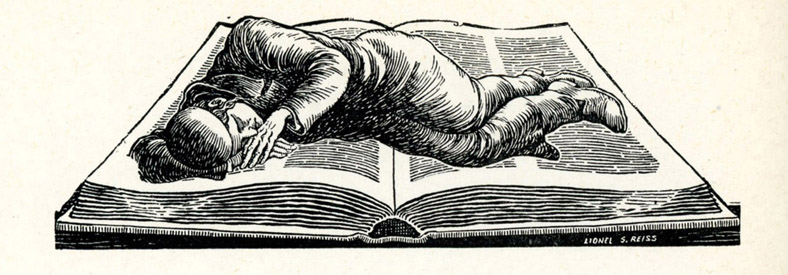
Complete Poetic Works of Khayyim Nahkman Bialik, Edited by Israel Efros – 1948 [Lionel S. Reiss]

Bialik, Hayyim Nahman - Lionel S Reiss 000Chaim Nahman Bialik (Khayyim Nakhman Bialik)

Bialik - Lionel S Reiss 009 (To a Bird)To A Bird (9)

Bialik - Lionel S Reiss 014 (On My Return)On My Return (14)

Bialik - Lionel S Reiss 029 (On the Threshold of the House of Prayer)On the Threshold of the House of Prayer (29)

Bialik - Lionel S Reiss 034 (The Talmud Student)The Talmud Student (34)

Bialik - Lionel S Reiss 056 (The Talmud Student)The Talmud Student (56)

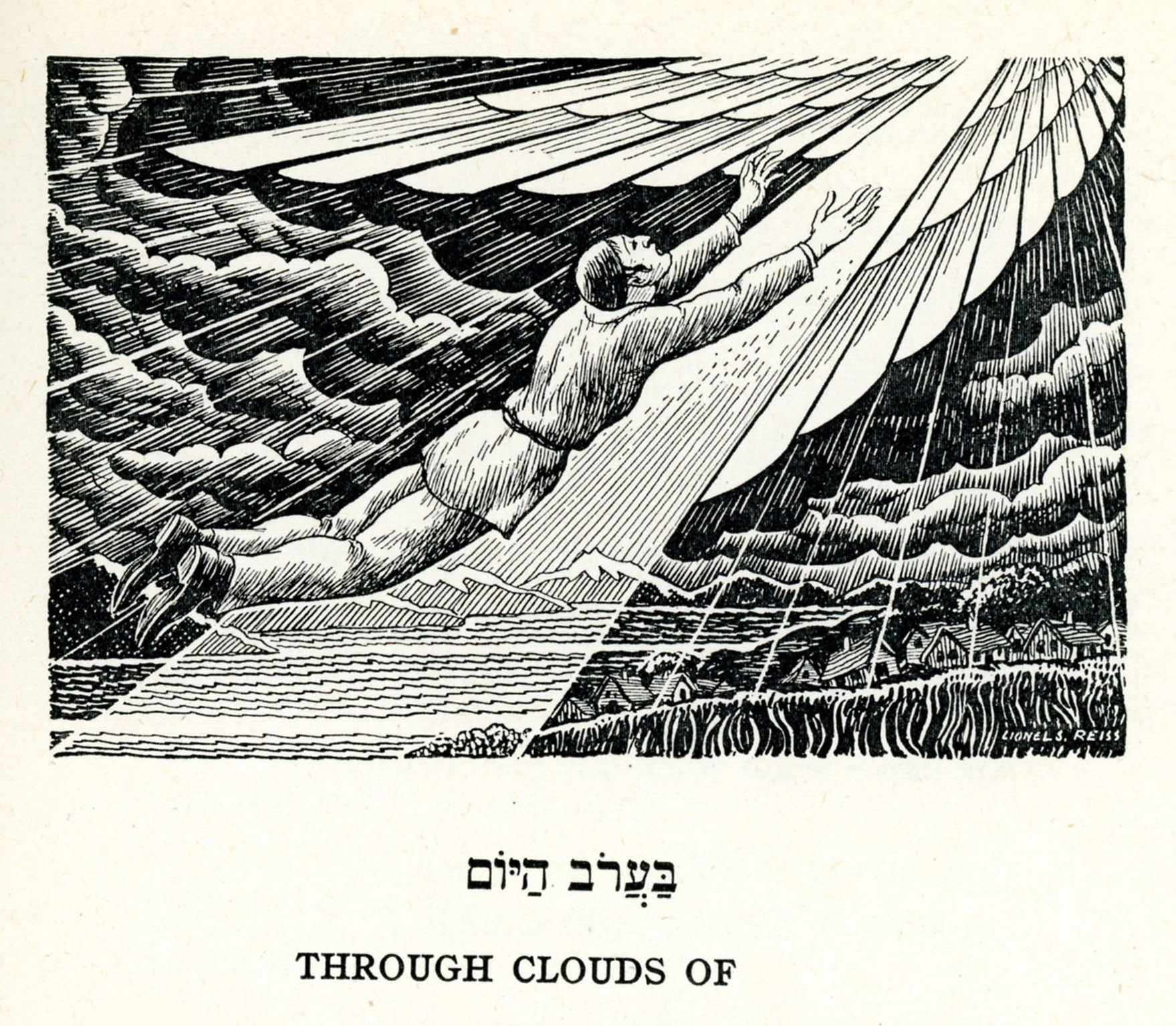
Bialik - Lionel S Reiss 057 (Through Clouds Of...)Through Clouds of Fire (57)

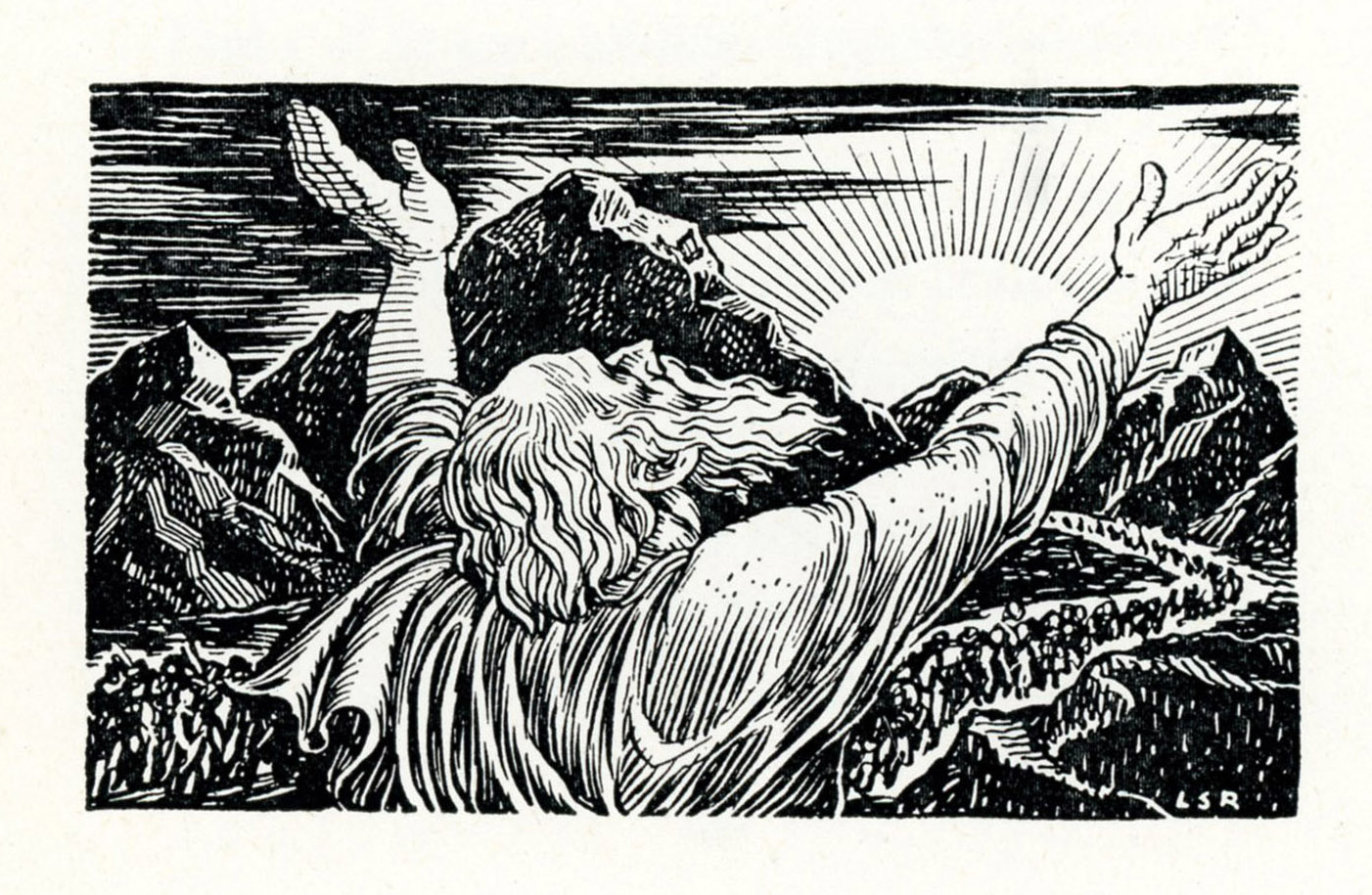
Bialik - Lionel S Reiss 067 (The Last Dead of the Desert)The Last Dead of the Desert (67)

Bialik - Lionel S Reiss 071 (Surely the People is Grass)Surely the People Is Grass (71)

Bialik - Lionel S Reiss 079 (Midnight Prayer)Midnight Prayer (79)

Bialik - Lionel S Reiss 097 (The Stars are Lit...)The Stars Are Lit… (97)

Bialik - Lionel S Reiss 099 (The Graveyard)The Graveyard (99)

Bialik - Lionel S Reiss 104 (The Dead of the Wilderness)The Dead of the Wilderness (104)

Bialik - Lionel S Reiss 119 (The Dead of the Wilderness)The Dead of the Wilderness (119)

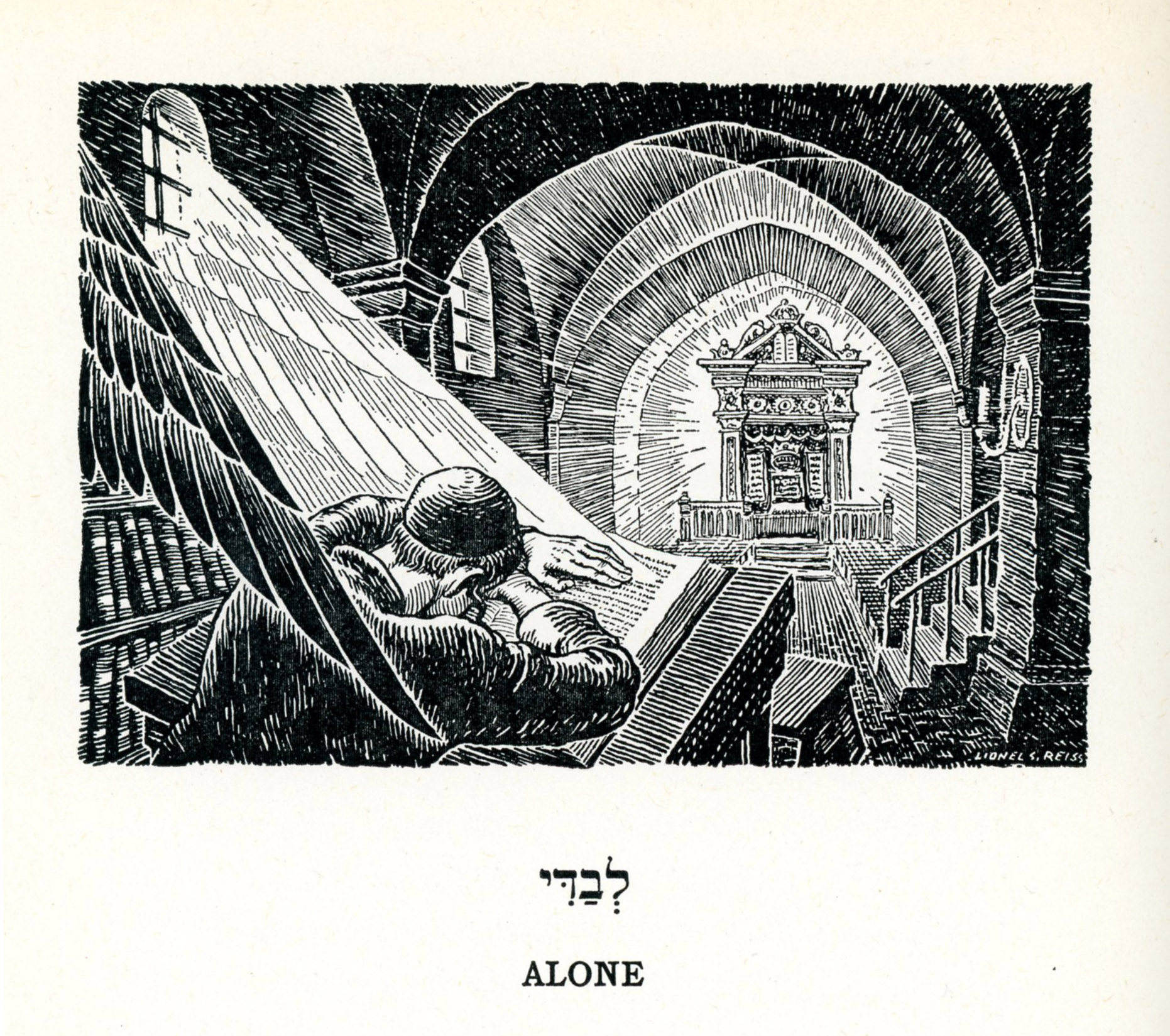
Bialik - Lionel S Reiss 122 (Alone)Alone (122)

Bialik - Lionel S Reiss 126 (Tidings)Tidings (126)

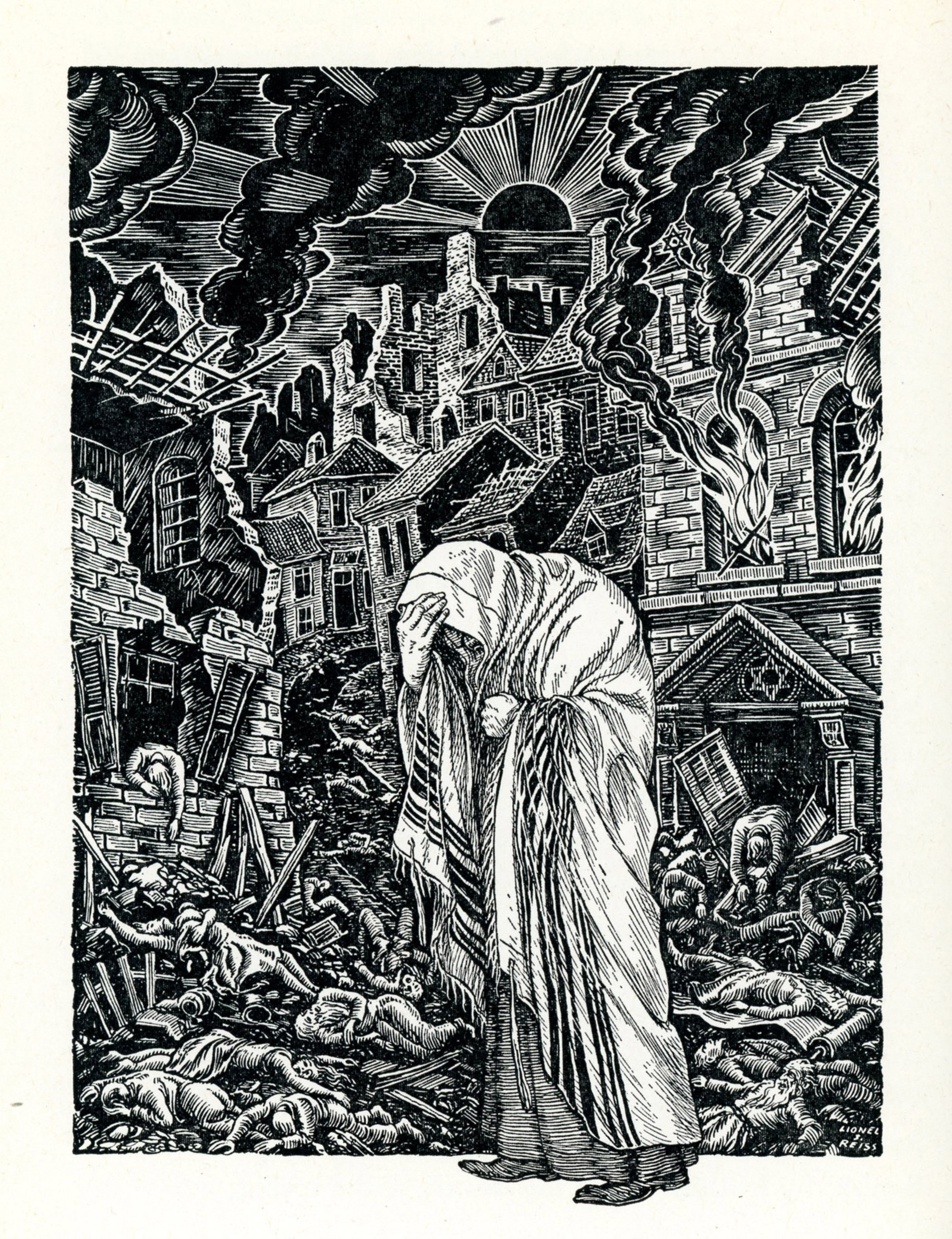
Bialik - Lionel S Reiss 130 (The City of Slaughter)The City of Slaughter (130)

Bialik - Lionel S Reiss 143 (The City of Slaughter)The City of Slaughter (143)

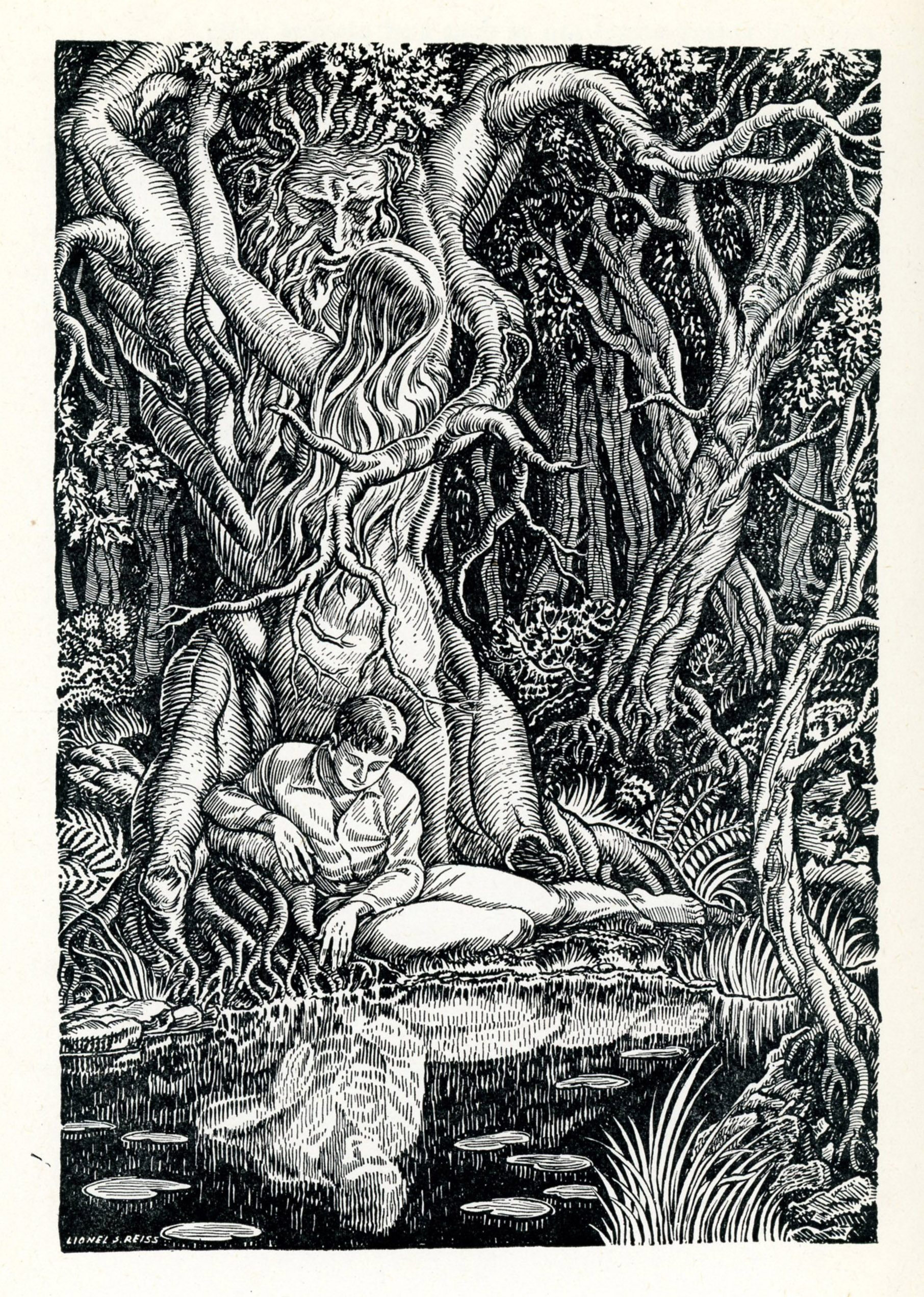
Bialik - Lionel S Reiss 202 (The Pool)The Pool (202)

Bialik - Lionel S Reiss 210 (The Pool)The Pool (210)

Bialik - Lionel S Reiss 222 (On Your Unknown Path)On Your Unknown Path (222)

Bialik - Lionel S Reiss 223 (One Summer Evening)One Summer Evening (223)

Bialik - Lionel S Reiss 228 (Go Flee, O Prophet)Go Flee, O Prophet! (228)

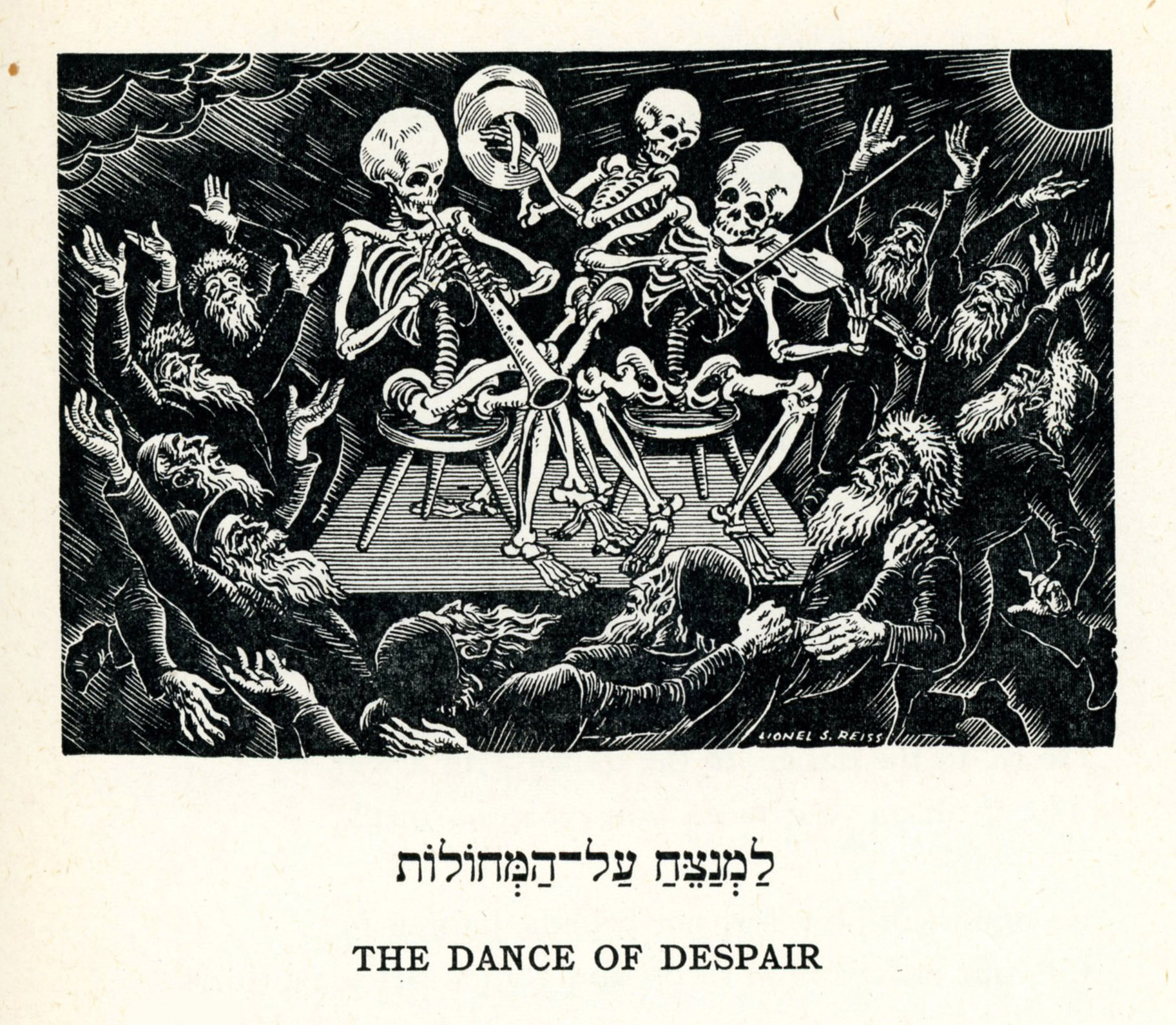
Bialik - Lionel S Reiss 233 (The Dance of Despair)The Dance of Despair (233)

Bialik - Lionel S Reiss 239 (The Folk-Songs)His Folk-Songs (239)

Bialik - Lionel S Reiss 245 (Twixt Tigris and Euphrates)Twixt Tigris and Euphrates (245)

Bialik - Lionel S Reiss 262 (The Song of Work and Toil)The Song of Work and Toil (262)